Self-Service Kiosk in Hospital : The Cure for Long Wait Times – Long wait times have long been a source of dissatisfaction for hospital patients and frustration for medical professionals. Whether it’s the check-in desk at a busy outpatient clinic or the payment counter after a consultation, time spent waiting in line translates into inefficiency and patient dissatisfaction. This issue is particularly severe in large healthcare facilities where patient volumes can surge unexpectedly, stretching human resources and slowing service delivery.
In such environments, even a minor administrative delay can ripple through the system, impacting appointment schedules, medical staff availability, and patient flow. The need for a scalable, efficient, and cost-effective solution is more urgent than ever. Self-service kiosks in hospitals are now emerging as a reliable remedy to these chronic operational issues. These kiosks serve as automated points of service for routine administrative tasks, relieving pressure on staff and streamlining the overall patient experience.
What Is a Self-Service Kiosk in a Hospital Setting?
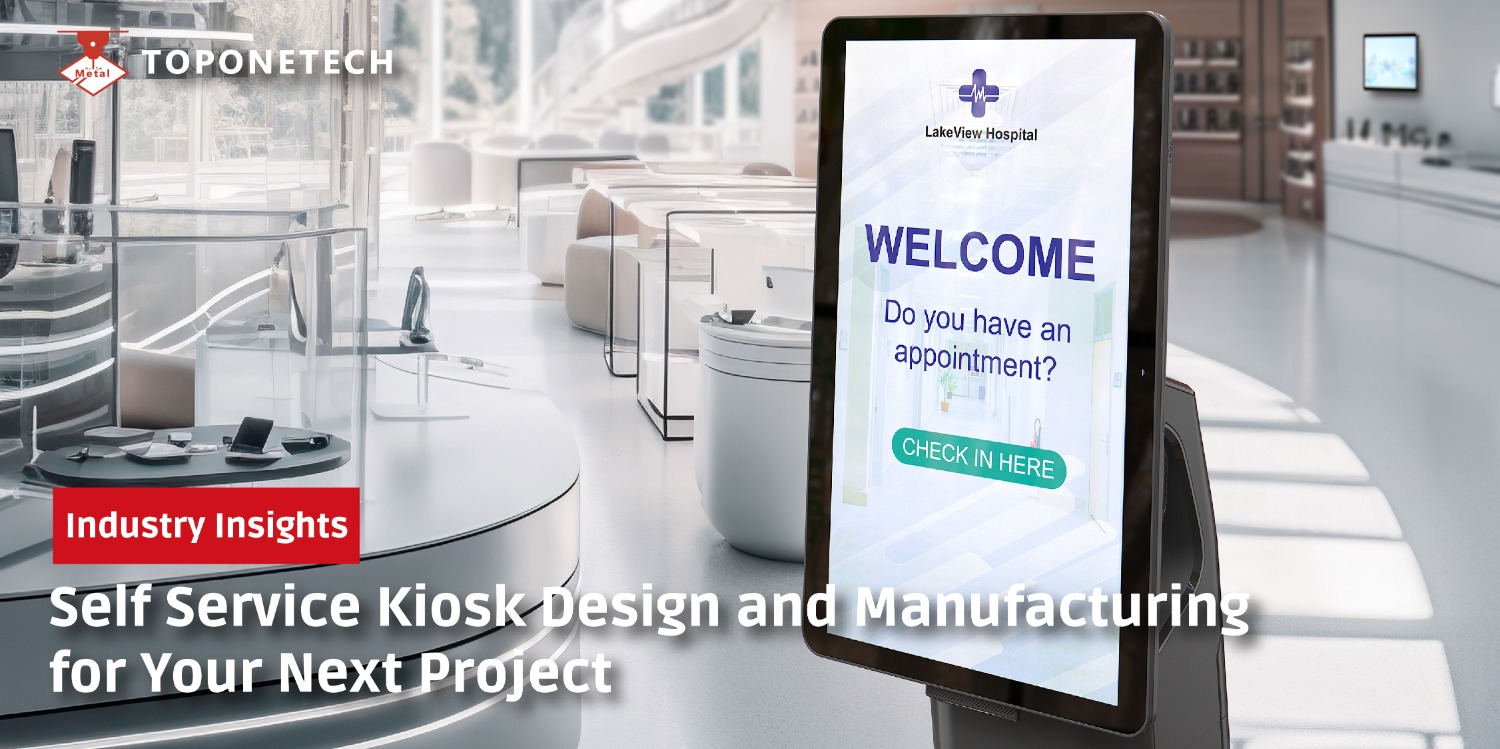
A self-service kiosk in a hospital is a digital, interactive terminal that allows patients to perform administrative functions without assistance from front-desk personnel. Typically built with durable, medical-grade hardware, these kiosks come equipped with touchscreen displays, barcode and QR code scanners, ID card readers, and even integrated payment systems. They are often connected to hospital management systems, electronic medical records (EMRs), and queue management software.
These kiosks are designed to automate processes such as:
-
Patient check-ins for appointments
-
Health insurance and ID verification
-
Co-payment and billing settlements
-
Updating patient records and medical histories
-
Printing queue tickets and appointment instructions
Their primary aim is to reduce administrative delays while enhancing the patient journey from arrival to consultation. As hospitals face increasing demands and tighter budgets, self-service kiosks offer an intelligent way to do more with less, all while improving service quality.
The Rising Need for Digital Transformation in Healthcare
Digital transformation is sweeping through every major industry, and healthcare is no exception. The growing reliance on digital health records, telemedicine, and real-time analytics has laid the foundation for smarter healthcare ecosystems. Self-service kiosks serve as both a product and a driver of this transformation by automating interactions between patients and providers from the moment the patient enters the hospital.
The urgency for digital transformation is intensified by factors such as:
-
Increasing patient expectations for faster service
-
Shortages of qualified administrative staff
-
The need for real-time data to support better decision-making
-
Rising operational costs and shrinking healthcare budgets
Hospitals that implement kiosk solutions are not just improving workflows—they’re also enhancing transparency, compliance, and patient engagement. For example, by enabling patients to directly review and update their medical history or insurance information at a kiosk, hospitals can reduce the risk of errors and improve data integrity.
In essence, self-service kiosks embody the healthcare industry’s shift from reactive to proactive service delivery. They not only reduce time spent on paperwork but also free up healthcare professionals to concentrate on what truly matters—patient care.
How Self-Service Kiosks Reduce Hospital Wait Times
1. Streamlining the Patient Check-In Process
The traditional check-in process involves standing in line, waiting for a receptionist, verbally confirming details, and possibly filling out paper forms. This manual process is time-consuming and inefficient, especially during peak hours. A self-service kiosk simplifies this workflow dramatically. With just a few taps, a patient can check in, confirm personal details, and receive a printed or digital queue number.
This automation leads to significant reductions in average check-in times, sometimes cutting the process from 10 minutes to just 1 or 2. In high-volume clinics, this can translate into hundreds of hours saved each week—time that can be redirected toward more valuable patient-care activities.
2. Faster Payment and Billing Options
Many hospital kiosks feature integrated payment systems that allow patients to settle their bills directly at the point of service. These systems support multiple payment methods, including credit/debit cards, mobile wallets, and QR code-based solutions. By automating payment processes, hospitals can reduce the burden on billing departments, eliminate long queues at the cashier’s desk, and improve the overall flow of financial transactions.
Furthermore, kiosks reduce billing errors by pulling payment data directly from the hospital’s ERP system. They also offer instant receipts and digital confirmations, which enhance transparency and trust between the hospital and the patient.
3. Real-Time Queue Management
Efficient patient routing is crucial in minimizing wait times and optimizing hospital operations. Self-service kiosks are often connected to queue management software that assigns patients a position in line based on urgency, appointment type, or department. The kiosks can also display wait times, notify patients of delays, and even offer the option to reschedule non-urgent visits.
This real-time communication reduces uncertainty and enhances the patient experience. Patients no longer feel like they’re waiting indefinitely—they’re informed, reassured, and can better manage their time.
4. Reducing Human Error
Human error is a major contributor to hospital inefficiency. Misheard names, incorrectly typed dates of birth, or mismatched insurance details can lead to serious downstream issues, including misdiagnoses, billing disputes, and even patient safety concerns. Self-service kiosks mitigate this risk by putting data entry into the hands of the patients themselves.
Since patients are generally more familiar with their own personal information, they are less likely to make mistakes. Additionally, the kiosk interface can include data verification prompts and error-checking mechanisms that further reduce inaccuracies. The result is cleaner, more reliable data that enhances operational and clinical outcomes.
Improving the Patient Experience with Self-Service Kiosks
User-Friendly Interfaces for All Age Groups
Hospital self-service kiosks are designed with a diverse user base in mind. Patients come from all walks of life, and technology literacy varies widely among different age groups. To ensure accessibility, kiosks often feature intuitive layouts, large fonts, high-contrast displays, and visual cues that guide users through each step of the process.
For elderly or physically challenged patients, some kiosks offer adjustable screen heights, wheelchair-accessible platforms, and even voice-guided instructions. These thoughtful design elements make the kiosks welcoming and usable for nearly everyone, regardless of their comfort with technology.
Reducing Patient Anxiety
Hospital visits are often stressful, especially when accompanied by physical discomfort or concern over a diagnosis. Lengthy queues and administrative confusion only amplify this anxiety. By offering fast, simple, and predictable interactions, self-service kiosks empower patients to take control of their experience from the moment they arrive.
Patients who feel in control are generally more cooperative, more satisfied, and more likely to trust the healthcare system. This psychological benefit is a key reason why kiosks are not just a convenience—they’re a patient-centered innovation.
Offering Privacy and Discretion
Administrative interactions at reception desks can sometimes involve sensitive topics—insurance issues, billing problems, or personal medical histories. In crowded lobbies, discussing such matters out loud can be embarrassing or intrusive. Kiosks offer a discreet alternative, allowing patients to input or access confidential information privately.
This level of privacy not only enhances the comfort of patients but also ensures compliance with healthcare privacy laws such as HIPAA in the U.S. or GDPR in Europe.
Self-Service Kiosk in Hospital – Hospital Staff Benefits: From Burdened to Empowered
Fewer Repetitive Tasks
Administrative staff in hospitals spend a significant portion of their day performing repetitive, low-value tasks like checking in patients, verifying information, and printing forms. These tasks are not only monotonous but also a poor use of human talent. Self-service kiosks absorb these functions, allowing staff to focus on higher-impact activities such as assisting elderly patients, managing complex cases, or coordinating emergency responses.
By offloading basic processes to machines, hospitals can also reduce staff fatigue and turnover, which improves morale and retention.
Better Resource Allocation
Healthcare professionals are a precious resource, and their time must be used wisely. When routine tasks are automated through kiosks, hospitals can redirect personnel to roles where human judgment and empathy are indispensable—such as patient advocacy, nurse care coordination, or medical counseling.
This strategic reallocation improves operational efficiency and leads to better patient outcomes because human resources are deployed where they are most needed.
Real-Time Data and Reporting
Self-service kiosks generate real-time data that can be leveraged to improve hospital management. Data collected from kiosk interactions can provide insights into:
-
Average check-in durations
-
Patient flow bottlenecks
-
Peak hour traffic
-
Payment completion rates
-
Common service delays
Hospital administrators can use this information to adjust staffing schedules, optimize clinic layouts, or enhance digital service offerings. Kiosks, in this context, become not just tools of efficiency but instruments of strategic planning.
Key Features of a Self-Service Kiosk in Hospital
To deliver consistent performance in busy medical environments, hospital kiosks must be equipped with robust features tailored for healthcare use. Some of the most critical components include:
-
PCAP Touchscreen Display: Offers responsive, multi-touch capabilities with anti-glare coating for readability under bright lights.
-
Identification Scanner: Reads national IDs, insurance cards, passports, or driver’s licenses to verify patient identity.
-
Barcode/QR Code Reader: Facilitates appointment confirmations or prescription pickups via mobile tokens or printed documents.
-
Secure Payment Terminal: Supports EMV card transactions, mobile payments, and contactless methods for fast and secure billing.
-
High-Speed Thermal Printer: Issues queue numbers, appointment slips, or payment receipts within seconds.
-
Multilingual Interface: Serves diverse patient demographics by supporting multiple language options.
-
HIPAA-Compliant Security: Encrypts patient data and complies with healthcare privacy laws to ensure secure transactions.
These features ensure that the kiosk functions as a fully integrated patient service terminal rather than a simple check-in point.
Use Cases: Where Are Self-Service Kiosks Deployed in Hospitals?
Self-service kiosks are versatile and can be installed throughout various departments of a hospital, each tailored for a specific function:
-
Emergency Room (ER): For non-urgent cases, kiosks allow patients to self-triage, register, and receive queue numbers—helping ER staff focus on critical cases.
-
Outpatient Clinics: Used for appointment confirmations, medical history updates, and co-payments to reduce congestion at reception desks.
-
Hospital Pharmacies: Kiosks facilitate prescription pickups by scanning prescription codes and verifying identity, reducing wait times for medicine collection.
-
Laboratories and Imaging Centers: Patients can check in for tests, review instructions, and receive estimated wait times directly from kiosks.
-
Visitor Management Zones: Kiosks handle guest check-ins, print visitor badges, and log entries for added security and compliance.
These use cases demonstrate that kiosks are not just a check-in tool but a multi-functional system that enhances service delivery across the entire healthcare facility.
Long-Term ROI of Self-Service Kiosk in Hospital
Though installing self-service kiosks involves upfront investment in hardware, software, and training, the long-term returns far outweigh the initial costs. Hospitals that implement kiosk systems report:
-
Reduced Labor Costs: Less reliance on front-desk staff translates to direct payroll savings.
-
Increased Operational Efficiency: Higher throughput and shorter check-in times lead to more patient appointments completed per day.
-
Higher Patient Satisfaction: Faster service and better privacy enhance the overall patient experience.
-
Improved Data Integrity: Fewer manual errors improve billing accuracy and medical safety.
-
Enhanced Compliance: Secure, traceable systems ensure better adherence to healthcare regulations and protocols.
These benefits compound over time, leading to a more agile, responsive, and patient-friendly hospital environment.
Boost Your Hospital Efficiency with Top One Tech’s Self Service Kiosk Manufacturing Solutions
When it comes to deploying a successful hospital kiosk system, the foundation lies in selecting a reliable and experienced manufacturing partner. Top One Tech stands out as a trusted manufacturer of self-service kiosks that are purpose-built for healthcare environments. Moreover, our end-to-end kiosk manufacturing solutions combine high-quality design, industrial durability, and deep customization to meet the specific needs of hospitals and clinics.
We understand that hospitals require more than just screens—they need full kiosk terminals engineered for performance, security, and patient accessibility. Additionally, that’s why our self-service kiosks are designed with features like antimicrobial coatings, ADA-compliant accessibility, high-performance touch displays, and secure enclosures that can withstand high-traffic usage.
Top One Tech offers flexible manufacturing options, including:
-
Custom kiosk design and enclosure fabrication to match hospital aesthetics
-
Integration of PCAP touch displays, printers, scanners, and payment modules
-
Support for multilingual interfaces and health system compatibility
-
Medical-grade materials for hygiene-sensitive environments
-
Prototyping, testing, and global logistics support
Whether you need kiosks for emergency room check-ins, outpatient registrations, pharmacy automation, or lab sample drop-offs, Top One Tech delivers tailored solutions that align with your operational goals. We build our products to streamline patient flow, enhance staff productivity, and elevate the overall hospital experience.
Finally, partner with Top One Tech and create a smarter, more efficient healthcare future by deploying self-service kiosks that deliver reliable performance—day after day, patient after patient.
Top One Tech can customize Self-Service Kiosks in Hospital specially designed for your application scenarios.
Contact us for further information :
Whatsapp/Call us at : +86 13631610695
Email : sales@toponetechmetal.com
See Also : Our Wide Range of Sheet Metal Products