Custom Kiosk Design&Assembly : Building Kiosk That Fit Your Brand – In today’s highly digitalized world, customers expect convenience, speed, and personalization. Self-service kiosks have become a staple across multiple industries, allowing businesses to deliver efficient service while reducing operational costs. However, the true differentiator lies in custom kiosk design and assembly—the process of creating a kiosk that reflects a brand’s personality, vision, and user experience philosophy.
A custom kiosk is not just a machine that performs transactions or displays information—it is an extension of a company’s brand identity. From the colors and materials to the interface design and layout, every detail communicates something about your brand. When the aesthetics and functionality align perfectly, customers feel a deeper connection and trust toward your business. This is why more companies are moving away from generic kiosk models and opting for custom-built solutions that truly represent who they are.
What Is Custom Kiosk Design&Assembly?
Custom kiosk design is the art of developing interactive, user-friendly kiosks that are purpose-built to match a company’s branding, target audience, and operational requirements. This process involves designing not just how the kiosk looks but how it functions, how it integrates with digital systems, and how it interacts with users.
On the other hand, kiosk assembly involves the technical process of constructing and integrating all components—such as displays, touch panels, printers, cameras, sensors, and payment systems—into a complete, ready-to-use unit. This step ensures that the final kiosk operates smoothly, safely, and reliably in its intended environment.
Custom kiosk design and assembly combine innovation, engineering precision, and aesthetic sensibility. The goal is to create a machine that doesn’t just work well but also enhances the overall customer experience while visually representing the brand.
Why Custom Kiosk Design&Assembly Is Better Than Standard Kiosk
While off-the-shelf kiosks might seem like a quick and affordable solution, they lack the personalization and flexibility that most modern businesses require. Custom kiosks offer numerous advantages that make them a smarter long-term investment.
1. Custom Kiosk Design&Assembly – Brand Consistency and Recognition
A custom kiosk allows a business to embed its branding directly into the product’s design. The use of consistent colors, materials, and logos reinforces brand recognition at every customer interaction point. Whether it’s a luxury boutique with elegant metallic finishes or a tech startup with bold, futuristic colors, custom kiosks strengthen brand presence and leave a lasting impression. When customers see a kiosk that visually aligns with the company’s image, they instantly recognize the professionalism and reliability behind the brand.
2. Tailored User Experience
Every industry has unique customer needs. Custom kiosks can be designed with user-specific functions and interfaces to ensure a smooth and satisfying experience. For instance, a self-service kiosk in a fast-food restaurant can prioritize speed and simplicity with clear icons and quick navigation, while a hospital check-in kiosk may emphasize accessibility, language options, and step-by-step guidance for all ages. When the design focuses on how customers actually interact with the system, it leads to higher satisfaction, faster service, and fewer errors.
3. Better Integration with Business Systems
Custom kiosks can be seamlessly integrated into a company’s existing digital ecosystem. Whether it’s a POS system, CRM platform, or inventory management software, a custom-built kiosk ensures smooth data exchange between the device and backend systems. This connectivity eliminates manual data input, reduces human error, and allows for real-time tracking of transactions, usage, and performance. It also gives businesses valuable insights that can drive future operational improvements.
4. Enhanced Durability and Safety
Unlike mass-produced kiosks, custom models are designed with specific environmental and operational conditions in mind. For outdoor kiosks, manufacturers can incorporate weatherproof materials, anti-glare touch monitors, and anti-vandal enclosures to ensure resilience against external factors. Indoor kiosks, meanwhile, can focus on ergonomic design, energy efficiency, and safety compliance. Every detail—from the thickness of the metal cabinet to the quality of the locking mechanisms—is engineered for long-term durability and user protection.
5. Long-Term Cost Efficiency
Although custom kiosks typically require a higher initial investment, they prove to be more economical over time. Their high-quality materials, superior engineering, and tailored components minimize maintenance costs and extend operational life. Additionally, because they are scalable and upgradeable, companies can adapt the same kiosk hardware for future software updates or feature enhancements, reducing the need for complete replacements. The result is a lower total cost of ownership and a stronger return on investment.
Key Elements of Custom Kiosk Design&Assembly
Every successful custom kiosk design is a blend of aesthetics, functionality, and technological precision. Here are the crucial elements that define an effective and impactful custom kiosk.
1. Aesthetic Design and Branding
Visual design plays a vital role in attracting users. The look and feel of a kiosk should align with the brand’s image and appeal to the target audience. Designers can experiment with shapes, textures, and finishes to achieve the right look. For instance, a minimalist metal design may suit a high-end tech brand, while a colorful acrylic frame may fit a children’s entertainment venue. The inclusion of LED light bars, logo engravings, and branded color schemes creates a powerful visual statement that reinforces brand identity.
2. Functional Layout
An intuitive layout ensures that users can interact with the ensures that users can interact with the kiosk effortlessly. Components such as screens, buttons, payment slots, and printers must be strategically positioned for maximum comfort and usability. A good layout also considers accessibility for users with disabilities, following guidelines such as ADA compliance. The smoother the interaction flow, the more likely users will engage positively with the kiosk, improving both efficiency and customer satisfaction.
3. Technology Integration
Modern kiosks rely on advanced technologies to deliver superior performance. Essential features like multi-touch displays, QR code scanners, RFID readers, and contactless payment systems enhance user interaction and convenience. Connectivity options like Wi-Fi, Bluetooth, and cloud synchronization ensure that the kiosks stay updated and manageable remotely. These integrated technologies create a reliable, future-proof kiosk capable of handling a wide range of applications.
4. Material and Component Selection
Choosing the right materials ensures that the kiosk not only looks good but also withstands daily wear and tear. Outdoor kiosks may require stainless steel, aluminum, or powder-coated metal for durability, while indoor models might use lightweight plastics or laminated panels for aesthetic appeal. Components such as PCAP touch monitors and industrial-grade processors provide stability and long-term reliability, ensuring the kiosk functions seamlessly even under continuous use.
5. Security and Safety Features
Security is a key consideration in kiosk design. Custom kiosks can be equipped with lockable compartments, anti-tamper systems, and data encryption technologies to protect sensitive customer information and prevent unauthorized access. Hardware safety features like power surge protection, cooling systems, and fire-resistant materials ensure operational stability and compliance with safety standards.
The Custom Kiosk Design&Assembly Process: From Concept to Completion
Building a custom kiosk requires careful planning, precision engineering, and rigorous testing. The assembly process transforms the design blueprint into a fully functional, branded kiosk ready for deployment.
1. Design Concept and Requirement Analysis
The process starts with understanding the client’s business objectives and operational needs. Manufacturers collaborate closely with clients to determine the kiosk’s purpose, target users, placement environment, and branding requirements. Designers then develop concept sketches or digital renderings that visualize how the final product will look and function.
2. Engineering and Prototyping
Once the concept is approved, engineers create detailed technical drawings and models. This stage includes defining component layouts, electrical wiring, and assembly methods. A prototype is built to test user interaction, hardware compatibility, and ergonomics. This phase ensures that all potential issues are addressed before moving to full-scale production.
3. Component Assembly
After the prototype passes approval, technicians begin assembling the kiosk by integrating hardware components such as displays, motherboards, payment modules, cameras, and printers into the custom enclosure. Each step requires precision to ensure the unit is durable, functional, and aligned with quality standards.
4. Quality Testing and Certification
Every kiosk undergoes multiple rounds of quality assurance tests, including electrical safety checks, performance calibration, and durability assessments. The testing process ensures that the kiosk performs flawlessly under various real-world conditions and meets industry standards for safety and reliability.
5. Deployment and Support
After successful testing, the kiosks are packaged securely and delivered to the client’s location. The manufacturer often provides installation assistance, software setup, and post-deployment support. Regular maintenance and software updates help ensure the kiosk continues to operate efficiently throughout its lifecycle.
Industries That Benefit from Custom Kiosk Design&Assembly
The flexibility of custom kiosks allows them to be used in virtually every industry. Each sector leverages kiosks differently to improve customer engagement, efficiency, and brand presence.
1. Retail and Shopping Malls
Retailers use custom kiosks for self-checkout, inventory browsing, and customer loyalty programs. These kiosks streamline the shopping experience, reduce queues, and free up staff for more personalized customer service.
2. Hospitality and Entertainment
Hotels, casinos, and restaurants utilize kiosks for self-check-in, ticket redemption, and food ordering. Custom designs can match the ambiance of the venue, enhancing the overall aesthetic and ensuring brand consistency across physical spaces.
3. Healthcare and Hospitals
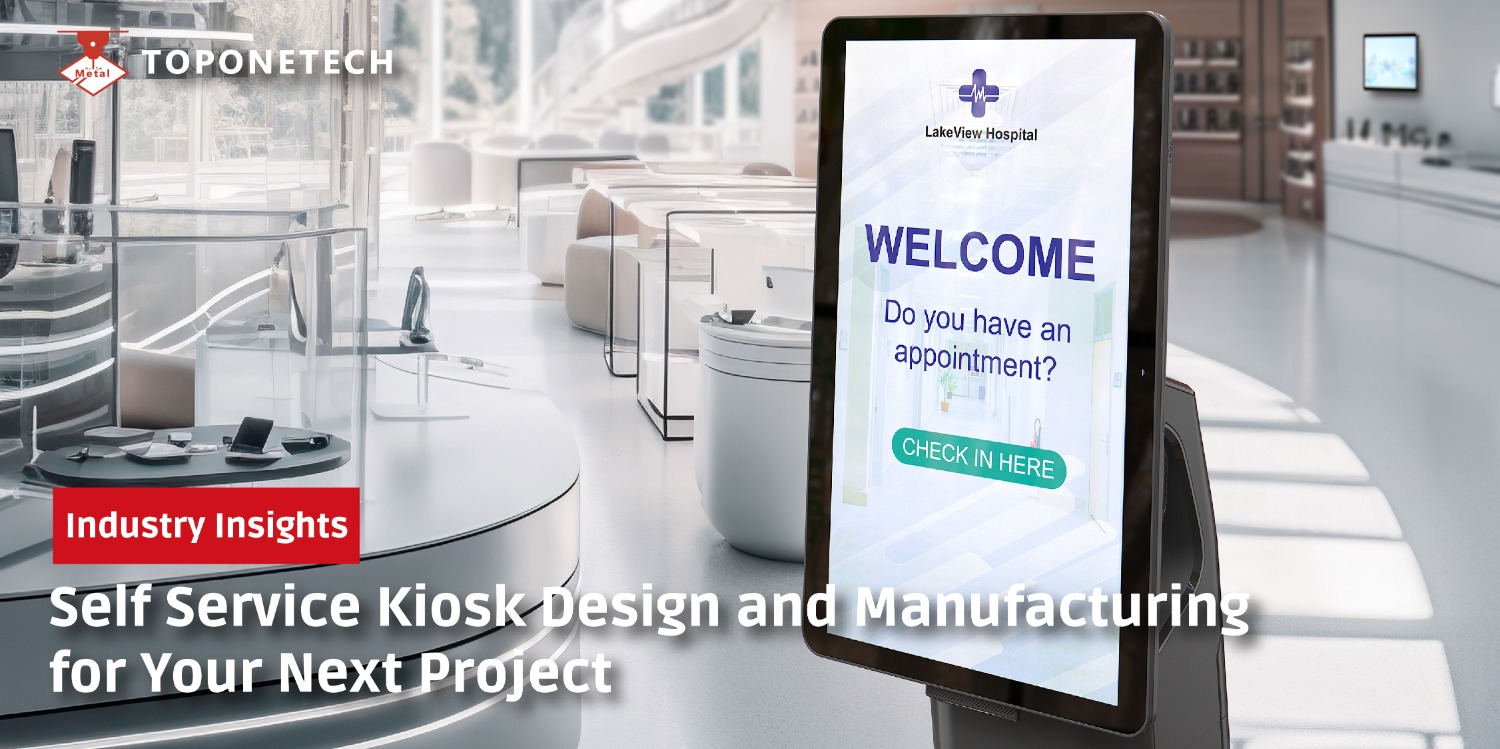
Hospitals rely on kiosks for patient check-ins, bill payments, and wayfinding assistance. Custom designs with hygienic surfaces and easy navigation help reduce administrative load and improve patient experience.
4. Transportation and Smart Cities
Transportation hubs employ kiosks for ticketing, information display, and navigation assistance. Moreover, their durability and multi-language interfaces make them indispensable in public spaces with heavy daily usage.
5. Gaming and Entertainment Venues
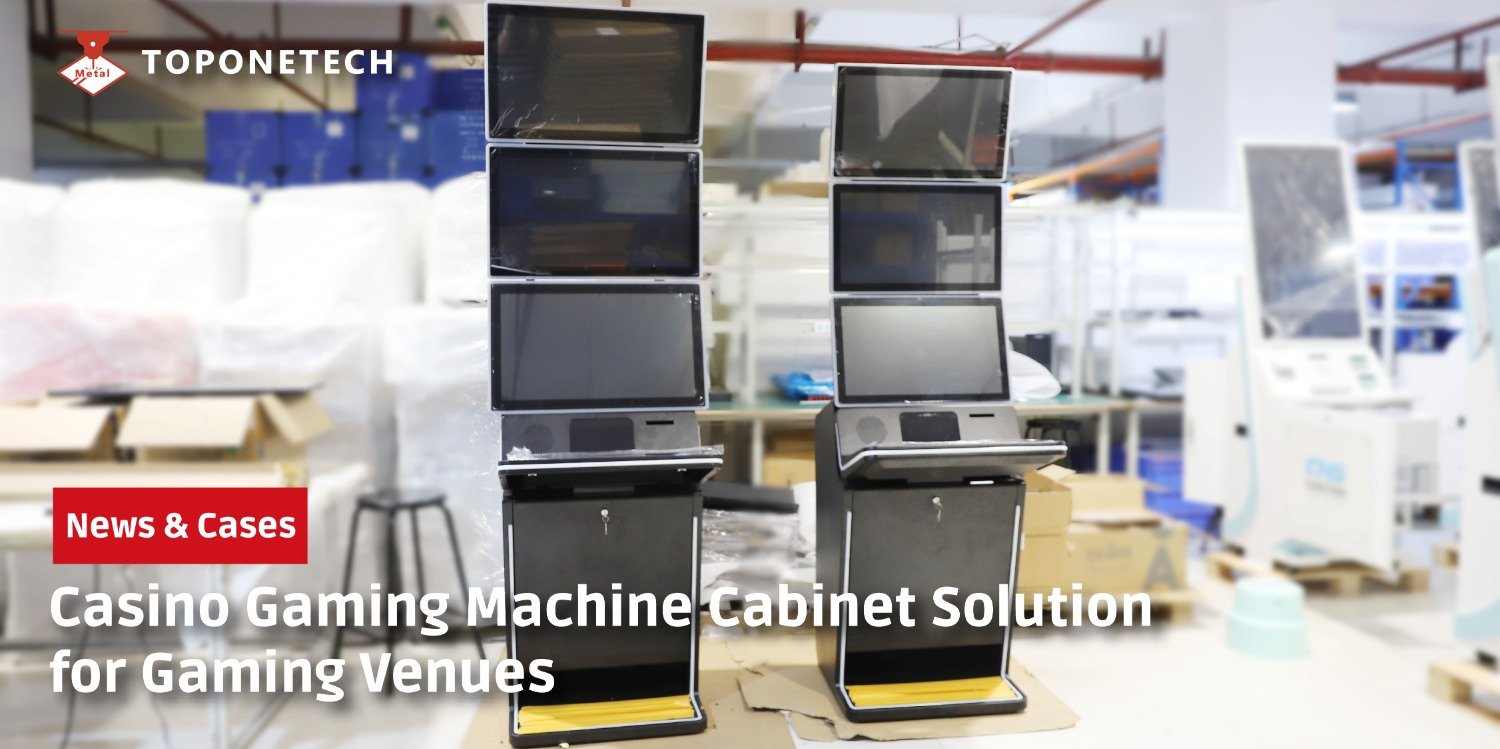
Casinos and gaming arcades use custom gaming kiosks to create immersive environments. With vibrant lighting, ergonomic designs, and smooth interfaces, these kiosks not only enhance player engagement but also reinforce brand identity through consistent design language.
How Custom Kiosk Design&Assembly Strengthens Brand Identity
Every element of a custom kiosk—from its color palette to its user interface—reinforces the company’s brand message. When customers interact with a kiosk that looks and feels familiar, they build a stronger emotional connection with the brand. This sense of familiarity translates into trust, loyalty, and repeat business.
A well-designed kiosk also communicates professionalism. For example, a banking kiosk with a sleek metal finish and intuitive touchscreen interface immediately conveys reliability and innovation. In contrast, a colorful and playful kiosk in a theme park can evoke excitement and fun. These emotional cues help brands establish meaningful, lasting impressions in the minds of users.
Top One Tech, The Right Custom Kiosk Design&Assembly Manufacturer For You
When it comes to creating kiosks that are both functional and visually aligned with your brand, Top One Tech stands out as a trusted partner. With years of experience in custom kiosk design and assembly, Top One Tech has helped businesses across various industries—from gaming and hospitality to retail and healthcare—bring their vision to life.
Top One Tech’s design team works closely with clients to understand their branding goals and technical requirements, ensuring each kiosk is uniquely tailored. Furthermore, our modern manufacturing facility in Shenzhen, China, integrates advanced production equipment, professional assembly lines, and strict quality control processes to guarantee every kiosk meets international standards.
From conceptual design and prototyping to hardware integration, testing, and global delivery, Top One Tech provides end-to-end customization services. Our expertise in touch display technology, metal cabinet fabrication, and system integration ensures that your kiosk not only looks exceptional but also performs flawlessly in demanding environments.
Additionally, choosing Top One Tech means partnering with a company that values innovation, craftsmanship, and long-term collaboration. Moreover, with our expertise, your brand can confidently deploy kiosks that enhance user experience, strengthen identity, and deliver measurable business value.
Conclusion: Custom Kiosk Design&Assembly – Building Kiosks That Reflect Your Brand’s Vision
In conclusion, custom kiosk design and assembly empower brands to create meaningful, memorable, and efficient customer interactions. Moreover, by combining aesthetic excellence, technological sophistication, and ergonomic functionality, businesses can elevate the way customers perceive and interact with their brand.
A kiosk is more than a digital tool—it’s an ambassador of your brand’s values and innovation. Additionally, and with a reliable manufacturer like Top One Tech, you can ensure that every detail, from the structure to the user interface, perfectly represents your business identity.
Finally, investing in custom kiosk solutions is not just about improving operations—it’s about shaping the future of customer engagement, one interaction at a time.
Top One Tech can customize Self-Service Kiosk specially designed for your application scenarios.
Contact us for further information :
Whatsapp/Call us at : +86 13631610695
Email : sales@toponetechmetal.com
See Also : Our Wide Range of Sheet Metal Products