In the contemporary world, convenience and speed are king, especially in the foodservice sector where customer satisfaction is directly tied to quick, accurate service. Long queues and frequent order mistakes are common pain points that frustrate customers and hurt businesses alike. They can tarnish a restaurant’s reputation and reduce its profitability. Fortunately, technology offers an innovative and effective answer to these problems: the food ordering kiosk.
Food ordering kiosks, equipped with interactive touchscreens and user-friendly interfaces, empower customers to place their orders directly, reducing wait times and minimizing errors. Beyond just convenience, these kiosks represent a strategic shift in how restaurants operate, improving service delivery while simultaneously collecting valuable customer data.
This article explores the comprehensive advantages of food ordering kiosks, how they address key operational issues, and why they have become indispensable tools for modern eateries.
Food Ordering Kiosk – The Problem: Long Lines and Order Mistakes in Foodservice
Food Ordering Kiosk – Why Long Lines Frustrate Customers and Businesses
Long lines at the ordering counter are more than just a minor inconvenience; they profoundly affect both customers and the business’s bottom line. From the customer’s perspective, extended waiting leads to impatience, dissatisfaction, and often abandonment of the purchase. Studies show that customers expect quick service, and when their expectations aren’t met, they may never return.
For businesses, long lines mean slower service and reduced table turnover rates, which directly impact daily revenue. During busy periods, staff are often overwhelmed, trying to manage queues and take orders simultaneously. This pressure creates a stressful environment that can lead to poor service quality and employee burnout. Overall, queues slow down the entire operation, reduce customer throughput, and increase the likelihood of mistakes.
How Order Mistakes Impact Foodservice Operations
Order accuracy is paramount in foodservice, and mistakes can severely damage a restaurant’s reputation. Order errors may include wrong items, incorrect customization (e.g., extra toppings or allergen omissions), or incomplete orders. Each mistake results in several negative consequences.
Firstly, incorrect orders lead to food wastage, as restaurants either discard the wrongly prepared food or offer free replacements, which adds to operational costs. Secondly, dissatisfied customers may leave negative reviews or complain directly, damaging word-of-mouth marketing. Additionally, recurring mistakes discourage repeat business, eroding customer loyalty. Most of these errors stem from miscommunication between customers and staff, especially during peak hours when employees must work quickly under pressure.
What Is a Food Ordering Kiosk?
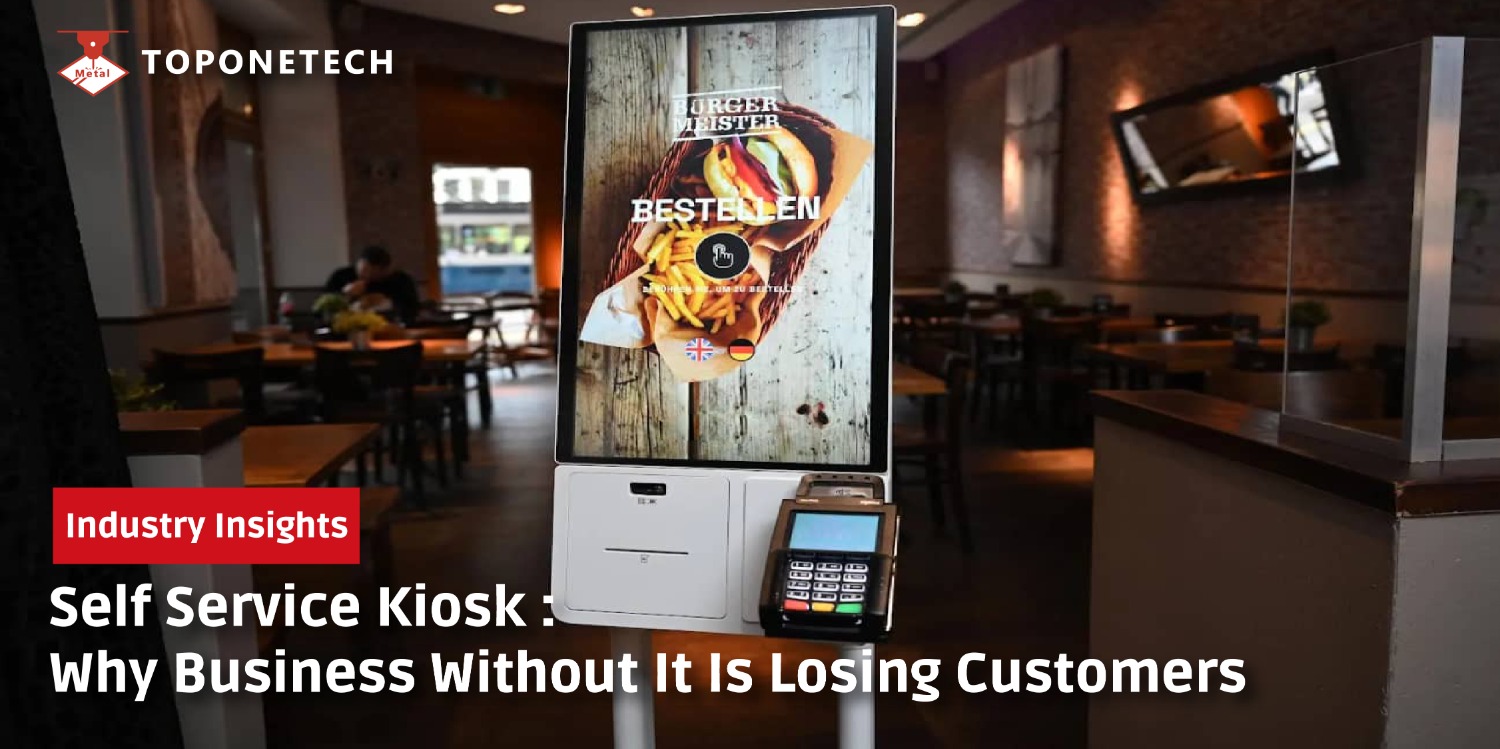
A food ordering kiosk is a digital, self-service station equipped with a touchscreen interface, allowing customers to browse menus, customize orders, and complete payments independently. These kiosks often feature high-resolution displays, intuitive navigation, and multiple payment options such as credit cards, mobile wallets, or even QR code scanning.
Unlike traditional counter service, food ordering kiosks eliminate the need for staff to manually take orders. They have become increasingly prevalent in fast food restaurants, cafes, cafeterias, and even casual dining settings. By providing a visually engaging platform, these kiosks make the ordering process straightforward and enjoyable.
In addition to taking orders, many kiosks are integrated with the restaurant’s POS and kitchen management systems, enabling seamless communication between customer selections and kitchen preparation.
How Food Ordering Kiosk Solve Long Line Issues
Faster Service Through Self-Ordering
One of the most significant benefits of food ordering kiosks is the ability to serve multiple customers simultaneously. Rather than waiting in a single queue for a cashier, customers can use several kiosks at once, effectively multiplying the restaurant’s ordering capacity. The digital interface guides users through the menu with clear steps, enabling quick selection and payment.
This self-service approach dramatically reduces bottlenecks at the counter. Customers can take their time exploring the menu without holding up the line behind them. Additionally, since kiosks operate 24/7 without fatigue, they maintain consistent speed and efficiency throughout peak hours.
Reduced Wait Times and Increased Turnover
By accelerating the ordering process, kiosks shorten the entire customer wait cycle. Reduced waiting times mean customers receive their food faster, which in turn increases the rate at which tables or counters are freed up for new customers. This faster table turnover can result in more orders served per hour, boosting overall sales.
For businesses, higher throughput translates to better utilization of their physical space and resources, allowing them to maximize revenue during busy periods without additional staffing or infrastructure.
Offloading Pressure from Staff
With kiosks handling the ordering and payment tasks, staff members can focus on food preparation, quality control, and customer service. This redistribution of workload reduces employee stress and fatigue, resulting in better service quality and fewer errors.
Furthermore, staff can devote more time to assisting customers with special requests or those who are less comfortable using kiosks, providing a more personalized experience. This hybrid service model balances technology with human touch, ensuring customer satisfaction across demographics.
How Food Ordering Kiosks Minimize Order Mistakes
Clear, Visual Menu Presentation
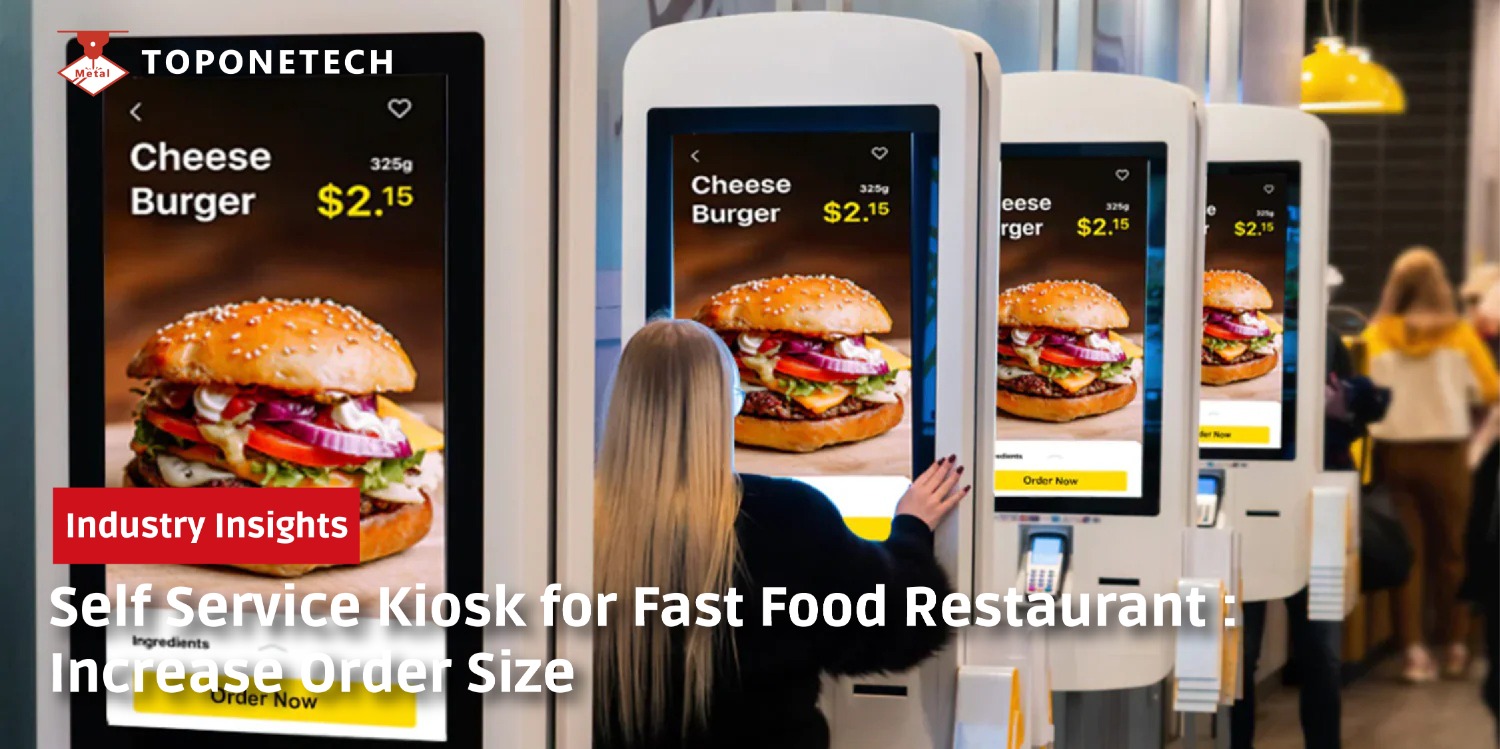
Food ordering kiosks present the menu in a visually appealing way, often including high-resolution images of dishes, detailed descriptions, and clearly marked prices. This clarity allows customers to make informed decisions and reduces confusion over menu items.
The touchscreen interface ensures customers select exactly what they want, minimizing the guesswork involved when ordering verbally. For example, customers can see pictures of the portion sizes or side options, ensuring their expectations are aligned with the meal delivered.
Customer-Driven Customization
Customization is a key feature of modern menus, especially for customers with dietary restrictions, allergies, or specific preferences. Kiosks empower customers to tailor their orders precisely—such as selecting toppings, choosing spice levels, or requesting modifications—without relying on the memory or interpretation of staff.
Since the customization is entered directly by the customer, the risk of errors is drastically reduced. This autonomy also increases customer confidence that their order will be correct, enhancing their overall dining experience.
Automated Order Processing
Once an order is submitted via the kiosk, it is automatically transmitted to the kitchen or integrated POS system. This automation eliminates the need for staff to manually record or relay orders, which is a common source of errors in traditional ordering.
Automated processing not only increases accuracy but also improves kitchen efficiency by providing clear, legible order tickets or digital screens for chefs. The speed and accuracy of this system ensure the customer receives exactly what they requested, reducing wasted food and dissatisfied customers.
Benefits of Implementing Food Ordering Kiosk in Your Business
Enhanced Customer Experience
Food ordering kiosks transform the ordering process into an interactive and enjoyable experience. Customers appreciate being able to browse the menu at their own pace, experiment with meal options, and avoid awkward verbal exchanges. The ability to customize orders precisely adds to satisfaction, especially for health-conscious or allergy-sensitive customers.
Moreover, kiosks reduce the perceived wait time because customers remain engaged with the interface, rather than standing idly in a line. Many diners report higher satisfaction with digital ordering, associating it with modern, efficient service.
Increased Revenue Opportunities
Kiosks can be programmed with intelligent upselling and cross-selling prompts. For example, after selecting a burger, the kiosk might suggest adding fries, drinks, or desserts. These subtle prompts encourage customers to increase their order size without feeling pressured.
Additionally, digital menus can be updated in real-time to promote new items, seasonal specials, or high-margin dishes. This flexibility allows restaurants to optimize sales dynamically based on inventory and customer preferences.
Cost Savings on Labor
By automating order-taking and payment processing, food ordering kiosks reduce the need for frontline staff dedicated solely to cashiers. Businesses can reallocate labor resources to more value-added roles such as food preparation, cleaning, or customer service.
Reduced labor requirements translate into lower operating costs, higher efficiency, and improved profit margins, making kiosks a smart investment for restaurants looking to optimize expenses.
Valuable Customer Data Collection
Digital kiosks collect rich data on customer behavior, including popular menu items, peak ordering times, and frequently selected customizations. This information is invaluable for making informed business decisions about menu design, inventory management, and marketing strategies.
Restaurants can use this data to tailor promotions, introduce loyalty programs, or even personalize the ordering experience for repeat customers. Understanding customer preferences drives better service and increased revenue.
Hygiene and Contactless Ordering
Especially in the wake of the COVID-19 pandemic, contactless service options have become essential. Food ordering kiosks minimize person-to-person contact, reducing the risk of virus transmission. Customers handle their orders and payments independently, contributing to a safer dining environment.
This feature is particularly important in fast food and high-traffic settings where hygiene is a top priority for both customers and staff.
Best Practices for Successful Food Ordering Kiosk Implementation
Design Intuitive User Interfaces
The kiosk’s interface should be simple and user-friendly, enabling customers of all ages and technical abilities to place orders with ease. Clear buttons, straightforward navigation, and visual cues like icons and images help users complete their orders quickly.
Avoid cluttering the screen with too many options at once. Instead, guide customers step-by-step through categories, selections, and payment to minimize confusion.
Offer Multilingual Support
In multicultural markets, providing multiple language options is essential for inclusivity and accuracy. Multilingual support allows customers to choose their preferred language, which improves their ordering experience and reduces mistakes caused by language barriers.
Integrate with Existing POS and Kitchen Systems
For maximum efficiency, kiosks should seamlessly integrate with the restaurant’s existing point-of-sale and kitchen management software. This ensures orders are processed without manual intervention and that inventory is updated in real time.
Integration also facilitates reporting and data analytics, giving managers a complete picture of business operations.
Provide Staff Training
Employees must be trained to assist customers who may be hesitant or unfamiliar with the kiosk system. Staff should know how to troubleshoot minor issues and encourage kiosk use, positioning it as a helpful, time-saving tool.
Ongoing staff training ensures smooth operation and fosters positive customer interactions.
Promote Kiosk Usage
Effective signage, in-store announcements, and digital marketing can encourage customers to use the kiosks. Highlight the benefits of faster service, order accuracy, and contactless payment to motivate adoption.
During the early stages, staff can actively recommend kiosk use, especially during peak times, to ease transitions and gather feedback for improvements.
Real-World Examples of Food Ordering Kiosk in Action
McDonald’s Self-Ordering Kiosks
McDonald’s pioneered large-scale deployment of self-order kiosks globally. These kiosks allow customers to customize their meals, explore combo deals, and pay using various methods. The introduction of kiosks has reduced lines, improved order accuracy, and increased customer satisfaction.
By integrating kiosks with loyalty programs and mobile apps, McDonald’s creates a cohesive digital ecosystem that enhances convenience and engagement.
Starbucks Digital Ordering
Starbucks complements its mobile app with in-store kiosks to provide multiple ordering channels. Customers can pre-order via the app or use kiosks on-site for quick service. The system accommodates customization and payments efficiently, reducing wait times even during busy morning rushes.
This hybrid model caters to different customer preferences, ensuring a smooth and personalized ordering experience.
Future Trends in Food Ordering Kiosk
AI and Voice Recognition Integration
Future kiosks will increasingly incorporate artificial intelligence and voice recognition technologies. Customers may soon place orders verbally, using natural language commands that the kiosk can interpret. This hands-free interaction will speed up ordering and accommodate customers who prefer speaking over tapping screens.
Personalized Recommendations
Advanced kiosks will leverage customer data and machine learning algorithms to provide personalized meal suggestions based on past orders, dietary preferences, or trending menu items. This creates a tailored experience that can increase customer loyalty and average order value.
Mobile and Remote Ordering
The concept of kiosks will expand beyond physical terminals. Customers may place orders remotely through their smartphones or via integrated apps before arriving at the restaurant. This will reduce or eliminate waiting entirely, making the dining experience seamless and ultra-efficient.
Top One Tech, Your Reliable Food Ordering Kiosk Manufacturer
When considering the implementation of food ordering kiosks, partnering with a trusted manufacturer is crucial. Top One Tech specializes in designing and producing high-quality food ordering kiosks tailored to the needs of the foodservice industry.
Top One Tech’s kiosks feature robust PCAP touchscreens with excellent responsiveness and durability, ideal for high-traffic environments. Their user-friendly interfaces can be customized to fit any menu layout, language preference, and branding requirements.
Integration capabilities with popular POS systems and kitchen management software ensure smooth order processing and real-time updates. Top One Tech also offers professional after-sales support and maintenance services, ensuring your kiosks run efficiently with minimal downtime.
With a proven track record of successful deployments worldwide, Top One Tech stands out as a reliable partner to future-proof your restaurant operations and elevate customer experience.
Conclusion
In conclusion, food ordering kiosks represent a transformative advancement in the foodservice industry. Moreover, by directly addressing long lines and order mistakes, they improve efficiency, enhance customer satisfaction, and drive revenue growth. Their benefits extend beyond operational improvements, offering data-driven insights and contactless ordering options critical in today’s environment.
For restaurants looking to modernize and compete in an increasingly digital marketplace, investing in food ordering kiosks is a strategic necessity. With trusted manufacturers like Top One Tech, businesses can deploy reliable, cutting-edge kiosks designed to meet their unique needs and grow alongside evolving customer expectations.
Top One Tech can customize Food Ordering Kiosks specially designed for your application scenarios.
Contact us for further information :
Whatsapp/Call us at : +86 13631610695
Email : sales@toponetechmetal.com
See Also : Our Wide Range of Sheet Metal Products