OEM Kiosk Factory in China : From Blueprint to Reality – As the demand for automation and convenience grows across industries, self-service kiosks have become a familiar sight in retail stores, airports, restaurants, and entertainment venues. These intelligent machines streamline operations, reduce waiting times, and enhance customer satisfaction. Behind every sleek kiosk stands an intricate manufacturing process — and China has become the global powerhouse for OEM kiosk production.
An OEM (Original Equipment Manufacturer) kiosk factory in China doesn’t just mass-produce standardized machines; it collaborates with clients to develop custom, brand-specific kiosks tailored to unique functions and appearances. From concept sketches and material selection to assembly and export, Chinese manufacturers have built a reputation for blending innovation, scalability, and cost efficiency.
The transformation from a blueprint to a fully functional kiosk represents a careful balance between creativity and precision. In this article, we’ll take a closer look at how an OEM kiosk factory in China brings ideas to life — step by step — and why working with the right manufacturer can set your business apart.
OEM Kiosk Factory in China – Understanding OEM Kiosk Manufacturing
OEM kiosk manufacturing refers to a partnership in which a client provides the concept, design, or requirements, and the manufacturer handles engineering, fabrication, and assembly. This model is ideal for brands seeking customized solutions instead of mass-produced kiosks.
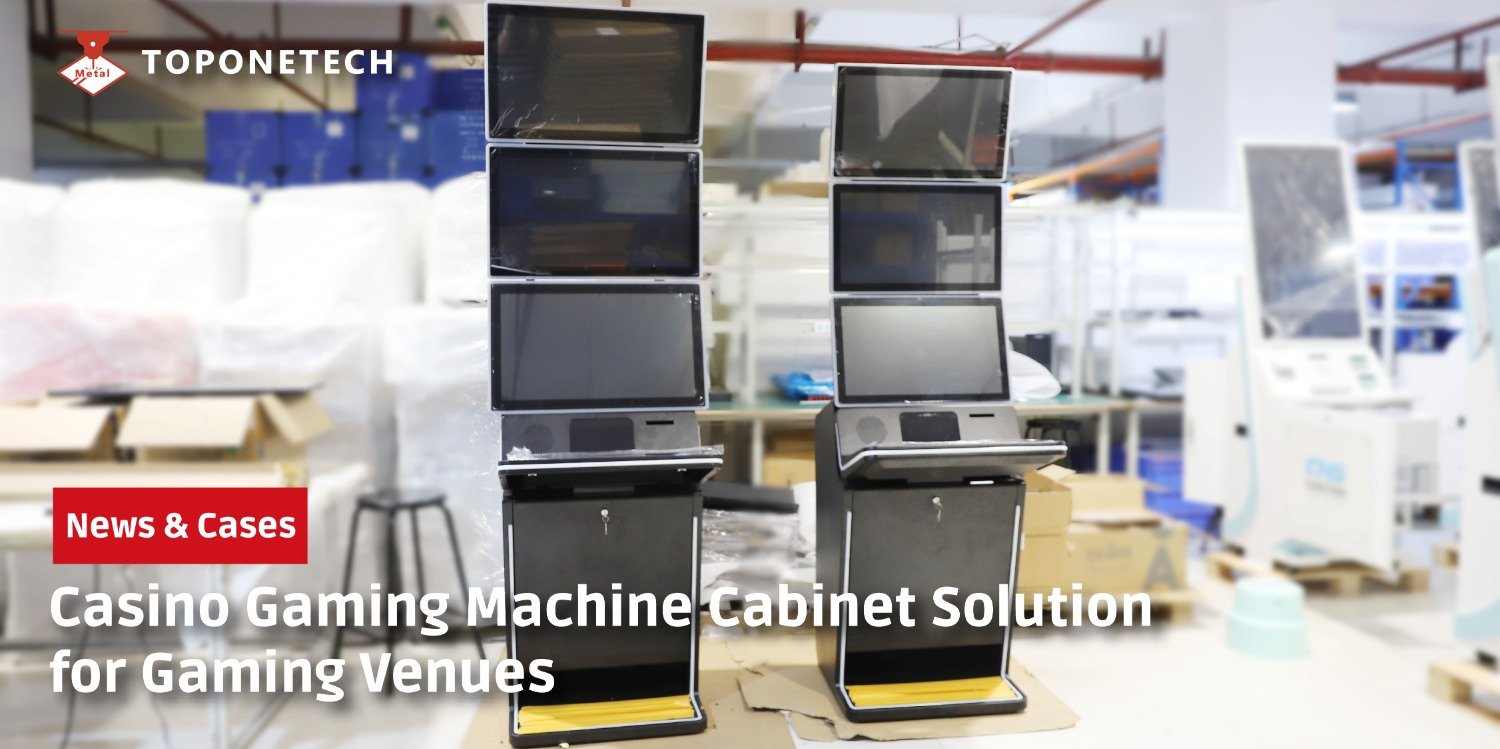
Unlike ODM (Original Design Manufacturer) products — where designs are provided by the factory — OEM kiosks are built to reflect the customer’s specific business goals, hardware needs, and aesthetic vision. For example, a retail chain might need a touchscreen payment kiosk, while a gaming company could require an interactive entertainment terminal with LED effects.
Chinese OEM kiosk factories serve a vast range of sectors:
-
Retail and vending – Smart vending kiosks and self-checkout systems
-
Banking and finance – ATM-style kiosks for transactions and verification
-
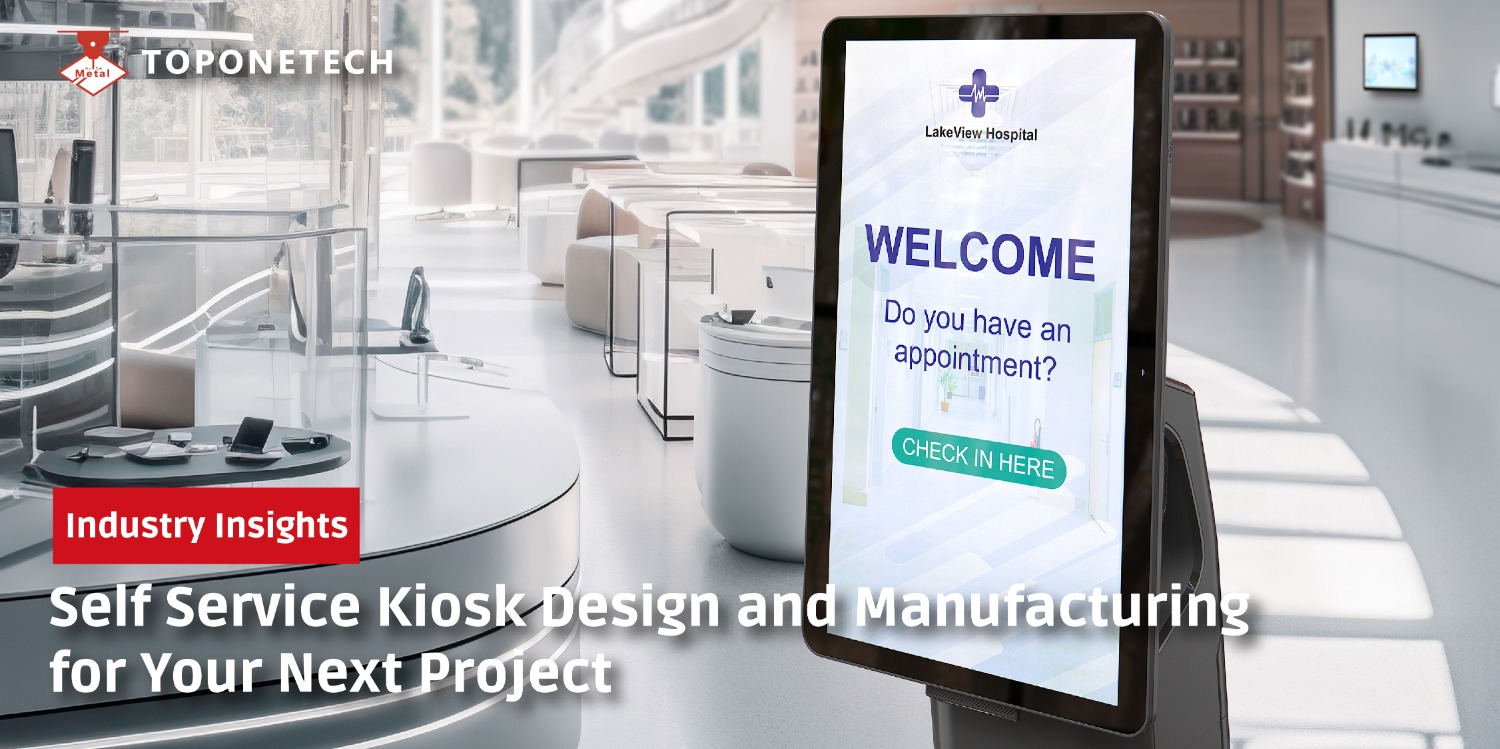
Healthcare – Registration and queue management kiosks
-
Transportation and entertainment – Ticketing and information kiosks
-
Hospitality and food service – Self-ordering and payment kiosks
What makes China the preferred destination is not just affordability but also the technical expertise, advanced facilities, and flexible customization options that ensure every kiosk meets international standards and client expectations.
OEM Kiosk Factory in China – From Concept to Creation: The OEM Kiosk Development Process
1. Consultation and Design Blueprint
The first phase is concept consultation and design planning. The client communicates their vision — including kiosk function, environment, target audience, and technical features. Engineers and designers from the factory then translate these ideas into detailed digital blueprints using 2D and 3D design software.
This stage focuses on:
-
Structure layout: Determining screen size, placement of components, and accessibility.
-
User interaction: Designing interfaces that are intuitive and ergonomic.
-
Material choice: Selecting suitable metals, glass, or plastics for durability and appearance.
-
Compliance: Ensuring designs meet international standards such as CE, FCC, or RoHS.
The blueprint acts as the foundation of the project, aligning technical requirements with creative vision. Every detail is discussed — from ventilation and wiring channels to logo placement — ensuring there’s no ambiguity before moving to the next stage.
2. Prototyping and Testing
Prototyping transforms the virtual design into a physical model. This stage allows both the client and the factory to verify whether the kiosk performs as expected. A prototype reveals how all components fit together, how the user interacts with the system, and how it functions under real-world conditions.
Leading Chinese OEM factories use rapid prototyping methods like CNC machining, 3D printing, and sheet metal forming to create accurate samples quickly. Once built, the prototype undergoes a series of tests for:
-
Touch response and display clarity
-
Structural strength and vibration resistance
-
Thermal stability under varying temperatures
-
Component integration and software performance
Feedback gathered from this phase is crucial. Adjustments to design, wiring, or software are made before mass production begins, ensuring the final kiosk is efficient, durable, and user-friendly.
3. Component Integration and Sourcing
After the prototype receives approval, the focus shifts to component sourcing. One of China’s greatest strengths lies in its robust electronics ecosystem, allowing factories to source high-quality components at competitive prices.
Key components include:
-
Touch displays with PCAP technology for multi-point accuracy
-
Motherboards and processors for computing performance
-
Printers, card readers, and barcode scanners
-
Speakers, cameras, and LED indicators for interactive experiences
Factories ensure all components meet performance standards and are compatible with the client’s preferred operating systems or software platforms. Integration specialists then assemble these parts into functional modules, preparing them for final assembly.
4. Metal and Structural Fabrication
The structural body of a kiosk defines both its durability and aesthetic appeal. In this stage, OEM factories use automated CNC machines, laser cutters, and bending equipment to manufacture precise metal housings according to design blueprints.
Depending on usage, materials can vary:
-
Cold-rolled steel for heavy-duty industrial kiosks
-
Aluminum for lighter, corrosion-resistant models
-
Stainless steel for hygiene-sensitive or high-end environments
Furthermore, each metal piece is cut, shaped, and welded with precision. After fabrication, the surface is polished, coated, or powder-painted to prevent corrosion and enhance appearance. Factories also ensure tight tolerances and consistent finishing, which are critical for global export quality.
5. Assembly and System Integration
Once the components and housing are ready, the kiosk moves to assembly and system integration. Moreover, this process brings together mechanical, electrical, and software elements into a unified system.
Furthermore, technicians carefully install displays, touch sensors, wiring, and PC modules within the housing. Additionally, every cable is routed neatly to ensure safety and maintainability. The operating system and client software are then installed and configured.
Advanced Chinese OEM factories also handle custom firmware programming, interface localization, and peripheral calibration, ensuring the kiosk is ready for deployment in any region or industry. The integration process includes multiple verification steps to ensure everything functions seamlessly before final inspection.
6. Quality Control and Certification
Quality control is the backbone of OEM kiosk manufacturing. Before any unit leaves the factory, it must undergo a comprehensive quality assurance process.
Quality inspectors test:
-
Display brightness, color, and touch accuracy
-
Connectivity stability (Wi-Fi, 4G, LAN)
-
Temperature and vibration tolerance
-
Electrical safety and power efficiency
-
User interface performance under load
Factories like Top One Tech follow internationally recognized certifications such as ISO9001 and ISO14001, ensuring that each kiosk not only performs well but also meets environmental and safety requirements. Additionally, some manufacturers even offer third-party audits or live virtual inspections for overseas clients — a mark of transparency and professionalism.
7. Packaging and Logistics
The final step involves secure packaging and worldwide logistics. Since kiosks are often large and sensitive electronic products, OEM factories use customized foam inserts, wooden crates, and waterproof wrapping to protect them during shipping.
Additionally, the logistics team coordinates international freight via sea, air, or land, ensuring timely and safe delivery. Detailed documentation — including inspection reports, user manuals, and customs paperwork — accompanies every shipment, simplifying the client’s import process.
Furthermore, this final phase reflects the manufacturer’s commitment to quality service even after production ends.
Customization: The True Power of OEM Kiosk Factory in China
Customization is what makes Chinese OEM kiosk factories stand out. Moreover, they offer clients endless flexibility to adapt kiosks for different environments, branding, and user expectations.
Factories can tailor:
-
Display sizes: From compact 10-inch panels for counters to massive 65-inch interactive screens.
-
Mounting options: Wall-mounted, freestanding, or desktop designs.
-
Interface design: Multilingual systems and branded UI layouts.
-
Payment systems: Integration of NFC, cash acceptors, or QR code scanners.
-
Lighting and aesthetics: LED bars, custom logos, and color schemes.
This level of personalization not only enhances usability but also reinforces brand identity. Whether it’s a gaming terminal with vibrant LED effects or a sleek hotel check-in kiosk, Chinese OEM factories deliver solutions that fit the client’s vision perfectly.
Why Choose an OEM Kiosk Factory in China
1. Competitive Cost Advantage
China’s OEM factories combine economies of scale, affordable labor, and advanced automation to produce kiosks at highly competitive prices — without compromising on quality. This cost efficiency allows clients to allocate budgets toward marketing and deployment rather than just manufacturing.
2. Strong Supply Chain Network
China’s comprehensive supply chain ensures easy access to electronics, touch panels, and metal components. Furthermore, this integration reduces lead times, minimizes supplier dependency, and accelerates production — a key advantage for time-sensitive projects.
3. Deep Expertise and Technical Innovation
Most OEM kiosk factories have years of experience in industrial design, software integration, and touchscreen technology. Their R&D departments continually explore innovations such as anti-glare coatings, weatherproof casings, and AI-driven interfaces to keep clients ahead of the curve.
4. Flexible Scalability
Whether a client needs a prototype run or full-scale mass production, Chinese factories can easily adjust their manufacturing capacity. Their flexibility supports both small startups and large multinational corporations.
5. Global Export and Compliance Experience
OEM kiosk factories in China are familiar with international export regulations, quality standards, and safety certifications. Furthermore, this experience helps clients avoid compliance issues and ensures a smooth global rollout of their kiosk systems.
Top One Tech: Your Reliable OEM Kiosk Factory in China
Among the many OEM kiosk manufacturers in China, Top One Tech has built a strong reputation for delivering precision, customization, and reliability.
Furthermore, located in Shenzhen, the center of technological innovation, Top One Tech provides comprehensive OEM and ODM services covering concept design, prototyping, fabrication, assembly, and shipment. Additionally, our company specializes in touchscreen integration, custom metal housing, and system development for self-service kiosks, gaming terminals, and vending machines.
Top One Tech’s strengths include:
-
Experienced engineering team with advanced design tools
-
In-house CNC and metal fabrication for total quality control
-
Strict testing procedures to guarantee durability and performance
-
Flexible customization for any industry or market segment
Moreover, by combining technology, craftsmanship, and customer-focused service, Top One Tech helps global clients turn their kiosk concepts into functional, market-ready products with unmatched efficiency.
Conclusion: OEM Kiosk Factory in China – Transforming Vision into Reality
In conclusion, from a simple idea to a sophisticated self-service system, the journey of a kiosk is a testament to modern engineering. Furthermore, an OEM kiosk factory in China orchestrates this transformation — combining innovation, craftsmanship, and precision to deliver interactive solutions that power the future of automation.
Whether you’re launching a new retail self-checkout kiosk, a healthcare registration terminal, or an entertainment touch display, working with a trusted manufacturer like Top One Tech ensures that every step — from blueprint to reality — is executed with excellence.
Top One Tech can customize Self-Service Kiosk specially designed for your application scenarios.
Contact us for further information :
Whatsapp/Call us at : +86 13631610695
Email : sales@toponetechmetal.com
See Also : Our Wide Range of Sheet Metal Products