In today’s fast-paced world, customers want quick, smooth, and stress-free service. Long lines and slow ordering processes not only frustrate customers but also drive them away to competitors who can serve them faster. Whether in a restaurant, café, retail store, or airport, people expect service that is immediate, accurate, and tailored to their preferences. As businesses struggle to keep up with these rising expectations, many have turned to technology-driven solutions to eliminate inefficiencies—and this is where the self-ordering kiosk machine becomes an essential tool.
A self-ordering kiosk machine replaces the traditional ordering counter with an intelligent, interactive system that allows customers to take charge of their own ordering experience. Instead of waiting for an employee, customers can browse menus, personalize orders, confirm details, and complete payment—all through an intuitive touchscreen interface. This transformation not only accelerates service flow but also creates a more satisfying experience for customers who prefer autonomy and convenience.
More businesses around the world are adopting self-ordering kiosks because they offer a reliable, consistent, and efficient way to manage customer traffic. From fast-food chains like McDonald’s to small neighborhood cafés, kiosks are reshaping the customer journey. They eliminate communication errors, reduce operational strain on staff, and help businesses maximize peak-hour performance. As digital transformation accelerates, self-ordering kiosks will continue shifting service environments away from slow, manual processes toward a future of instant, self-driven convenience.
What Is a Self-Ordering Kiosk Machine?
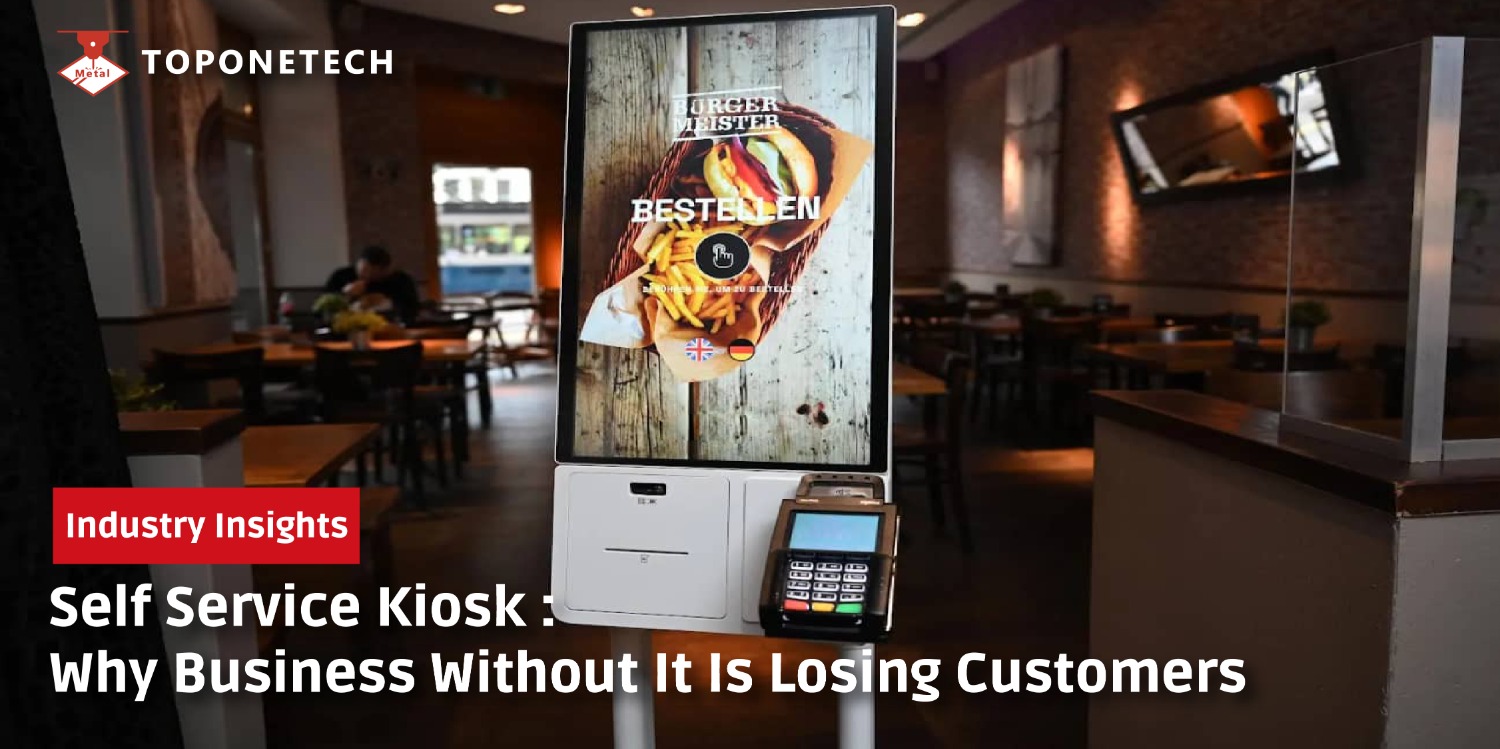
A self-ordering kiosk machine is a digital terminal that gives customers complete control over the ordering process. It typically features a large, high-definition touchscreen display, easy-to-use software, and secure payment options. Instead of relying on staff to take orders, the kiosk presents an interactive digital menu that guides users step-by-step—from selection to customization to final payment.
These kiosks are designed to be intuitive even for first-time users. The interface usually includes vibrant images, clear buttons, and smart navigation that simplifies the process for people of all ages. Customers can choose meal options, adjust flavors, add toppings, and double-check their choices before confirming the order. This level of autonomy ensures greater accuracy and reduces the likelihood of misunderstandings during peak hours.
Self-ordering kiosks come in various styles and configurations to suit different environments. Wall-mounted kiosks save floor space in smaller stores. Freestanding kiosks are ideal for high-traffic areas because of their easy accessibility. Tabletop kiosks are perfect for cafés or small restaurants where seating and ordering are integrated. Open-frame touch displays allow businesses to mount the kiosk directly into a custom cabinet or enclosure. With such flexibility, businesses across industries can adopt kiosk solutions that align perfectly with their space, design, and operational requirements.
Why Self-Ordering Kiosk Machine Is Transforming Businesses
1. Self-Ordering Kiosk Machine – Faster Service and Shorter Lines
Traditional service counters often struggle during rush hours. Staff must simultaneously take orders, answer questions, handle payments, and deal with customer corrections. This creates bottlenecks, especially when customers are undecided or when multiple orders are complicated. A self-ordering kiosk changes this dynamic completely by distributing the workload across several digital terminals.
When customers can order directly from a kiosk, multiple transactions happen at once, drastically shortening the queue. People can order at their own pace, without feeling pressured by those behind them. Meanwhile, the kitchen receives clear and organized orders without the delays common at manual counters. This leads to smoother workflows, faster turnaround times, and higher customer satisfaction. Businesses often report significantly improved throughput during peak hours, which directly contributes to increased daily revenue.
2. Improved Order Accuracy
Human error is one of the biggest sources of customer dissatisfaction. A cashier may mishear an order, miss an ingredient, or fail to record special requests accurately. For businesses that rely heavily on precision—such as cafés, burger chains, smoothie shops, and custom food businesses—these errors can lead to waste, complaints, and financial loss.
Self-ordering kiosks minimize these risks by giving the customer full control over the order input. The system displays every selection visually, allowing customers to verify options and customize ingredients exactly as they prefer. Before confirming payment, customers can review their completed order in detail. This digital accuracy not only improves customer experience but also reduces food waste and operational inefficiencies caused by remaking incorrect orders.
3. Enhanced Customer Experience
Modern customers value convenience, clarity, and personalization. Self-ordering kiosks meet all three expectations. The visually rich interface allows customers to enjoy an interactive shopping or ordering experience. Clear images, well-structured categories, and easy-to-follow options help customers navigate the menu without confusion.
The kiosk also enhances accessibility. Multiple language options ensure that international customers or tourists can order confidently. Visual cues and large icons also support customers with limited reading ability or those who struggle with fast verbal exchanges at a counter.
One of the most appreciated benefits is the freedom to browse without pressure. Customers often feel rushed at a traditional counter, especially when others are waiting behind them. With a kiosk, they can take their time exploring products, comparing meal options, and experimenting with customizations. This leads to a more satisfying and engaging experience that keeps them coming back.
4. Increased Average Order Value (AOV)
Restaurants and retail businesses rely heavily on add-ons and upselling to increase revenue. While staff may forget or feel uncomfortable suggesting additional items, kiosks excel at consistent, data-driven upselling. These digital terminals are programmed to highlight profitable items, suggest meal upgrades, and promote limited-time offers in a visually appealing and non-intrusive way.
For example, a customer ordering a burger may see suggestions for fries or dessert. Someone purchasing a beverage might be prompted to try a larger size or add a new flavor. These small decisions collectively contribute to higher average order values. Kiosks do this with accuracy and consistency, ensuring that every customer sees relevant recommendations tailored to their selections. Many businesses report significant sales increases as a result of kiosk-driven upselling.
5. Reduced Labor Costs and Improved Staff Efficiency
Labor shortages and rising wages are two major challenges faced by service-oriented businesses. A self-ordering kiosk helps relieve some of the pressure by taking over repetitive tasks like order-taking and payment processing. This does not replace staff; instead, it reassigns them to areas where they can create greater value—such as preparing food, assisting customers, or managing store operations.
With kiosks handling the ordering queue, staff can focus more on quality control and service. This shift not only reduces operational strain but also improves employee morale, as workers are no longer overwhelmed by long lines or impatient customers. In environments where labor is scarce, kiosks act as reliable assistants that keep service running smoothly even when the team is short-staffed.
6. Better Management with Real-Time Data Analytics
One of the most powerful advantages of modern kiosk systems is their ability to collect and analyze data. Every interaction provides valuable insights into customer behavior—what they order, when they order, how often they visit, and which promotions they respond to. Businesses can use this data to improve menu design, adjust pricing strategies, optimize inventory purchases, and create targeted marketing campaigns.
Real-time analytics also help managers identify peak times, high-performing categories, and seasonal trends. This data-driven decision-making allows businesses to reduce waste, increase efficiency, and plan ahead with greater accuracy. Over time, kiosks become more than just ordering tools; they become strategic assets that support long-term growth.
Key Features of a Modern Self-Ordering Kiosk Machine
High-Definition Touchscreen Display
The touchscreen display is the heart of any self-ordering kiosk. A high-quality screen ensures crisp images, vivid colors, and excellent visibility even in bright environments. Whether used in a restaurant with strong overhead lighting or a retail space with reflective surfaces, a good display should maintain consistent brightness and clarity. Smooth touch responsiveness is essential to allow customers to browse effortlessly through categories, select items accurately, and complete payment without frustration.
A well-designed display also helps businesses create attractive menu layouts and promotional videos that can capture customer attention. This visual appeal enhances the overall user experience and contributes to higher conversion rates.
User-Friendly Interface and Customizable Software
The software interface determines how easily customers can navigate the ordering system. A user-friendly design prioritizes clarity, minimal steps, and intuitive navigation. Customers should be able to find items quickly, customize orders without confusion, and complete their purchase with confidence.
Businesses can also tailor the interface to match their branding, adding custom colors, logos, and menu themes. Promotional banners and seasonal menus can be updated instantly through the software dashboard, ensuring that the kiosk always displays relevant content. Customization allows businesses to adapt the kiosk to different markets, languages, and customer preferences with ease.
Secure Payment Integration
Fast and secure payment processing is a critical feature of self-ordering kiosks. The machine should support a wide range of payment methods, including credit and debit cards, QR code payments, NFC tap-to-pay options, and popular mobile wallets. Some kiosks also support cashless-only systems for faster checkout and simpler operations.
Security features such as encrypted transactions, anti-skimming technology, and PCI-compliant hardware ensure that customer data remains safe. Smooth payment processing contributes to faster service and higher customer trust.
Durable and Stable Hardware Structure
A kiosk machine operates continuously, often in high-traffic environments. For this reason, durable hardware is essential. The kiosk body should be made of strong metal or industrial-grade materials that resist impact, scratches, and long-term wear. The touchscreen should be designed to withstand constant use, including rapid tapping and repeated inputs.
Many businesses choose manufacturers who offer OEM or ODM customization, allowing them to select specific materials, mounting options, and structural designs. A stable hardware foundation ensures that the kiosk maintains peak performance for years, even under heavy daily usage.
Multiple Installation Options
Different locations require different kiosk setups. Some businesses prefer wall-mounted devices to save space, while others choose freestanding kiosks that can be placed strategically near entrances or ordering areas. Tabletop and countertop kiosks are ideal for shops with limited space or dining establishments where customers order directly from their tables.
Open-frame kiosk monitors allow businesses to integrate the system into custom-built enclosures, kiosks, or branded cabinets. This flexibility ensures that kiosks can be seamlessly integrated into any environment without disrupting the flow of customers or staff.
Top Industries Adopting Self-Ordering Kiosk Machine
Restaurants and Fast-Food Chains
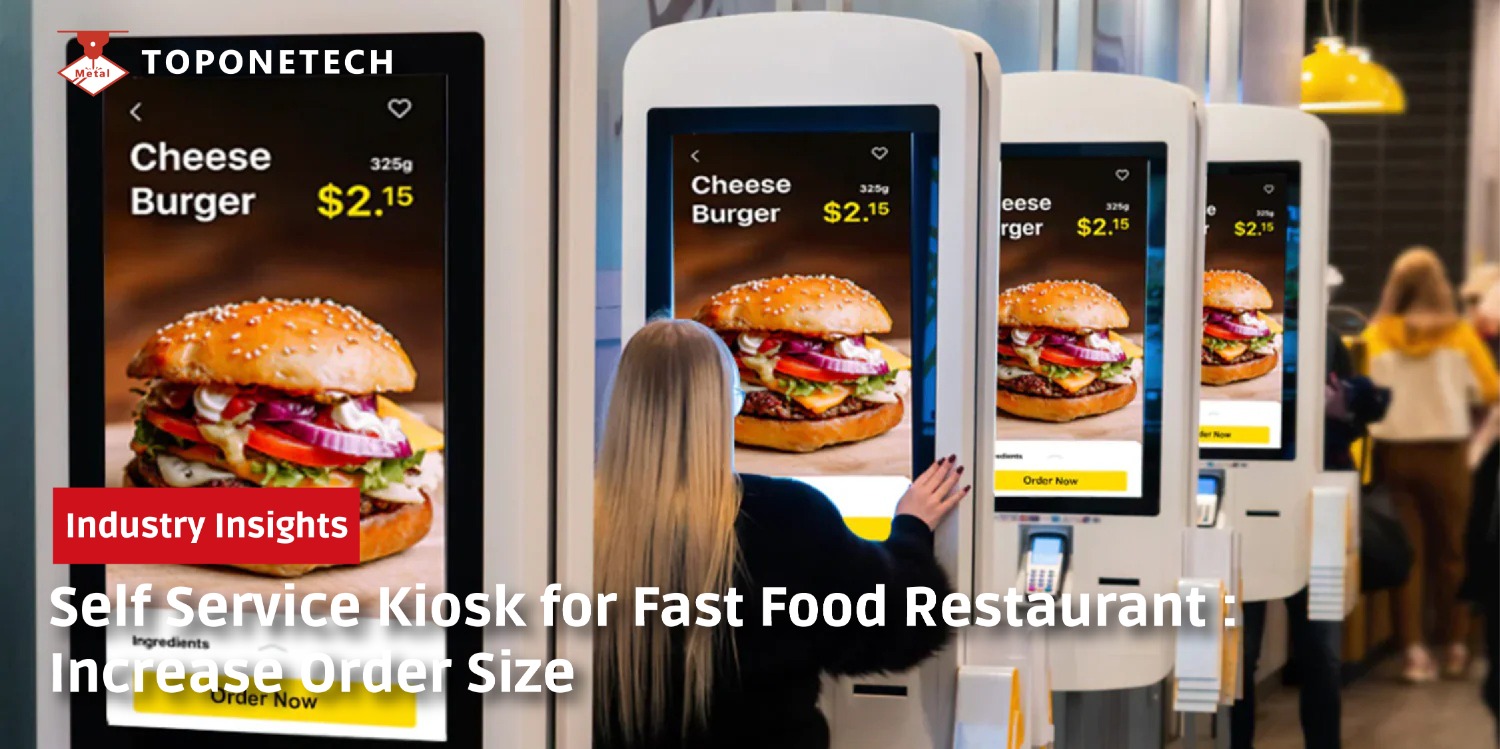
Restaurants were among the first to adopt self-ordering kiosks, and they continue to lead the trend. By allowing customers to order independently, restaurants can manage crowds more efficiently and reduce congestion at the counter. Kiosks improve order accuracy, shorten service cycles, and increase table turnover. Whether in global fast-food chains or local eateries, kiosks create a smoother dining experience and help businesses serve more customers in less time.
Cafés and Beverage Shops
Cafés and beverage shops benefit greatly from self-ordering kiosks, especially because their customers often enjoy customizing their drinks. With a kiosk, customers can adjust sweetness levels, add toppings, or choose flavor combinations without feeling rushed. This enhances satisfaction and reduces the likelihood of ordering mistakes. Staff can focus on making drinks quickly, while the kiosk handles a consistent flow of orders.
Retail Stores and Supermarkets
Self-service kiosks are becoming indispensable in modern retail environments. Customers use them to look up product information, check prices, navigate the store layout, or complete purchases through self-checkout. These kiosks improve efficiency, reduce long lines at cashier counters, and enhance the overall shopping experience.
Airports, Transportation Hubs, and Ticketing Centers
Airports were early adopters of self-service technology, using kiosks for check-ins, boarding pass printing, and baggage tag processing. These kiosks help streamline passenger flow and reduce long queues at airline counters. Similarly, transportation hubs use kiosks to issue tickets, provide schedules, and manage reservations. This improves convenience for passengers who want quick and reliable service.
Cinemas and Entertainment Venues
Cinemas use self-ordering kiosks to allow customers to browse movie listings, select seats, and purchase tickets independently. This eliminates long waits at the counter and ensures that customers can quickly secure seats during peak showtimes. Entertainment venues also use kiosks to sell event tickets, print passes, and offer additional services like membership enrollment.
Hospitals and Government Services
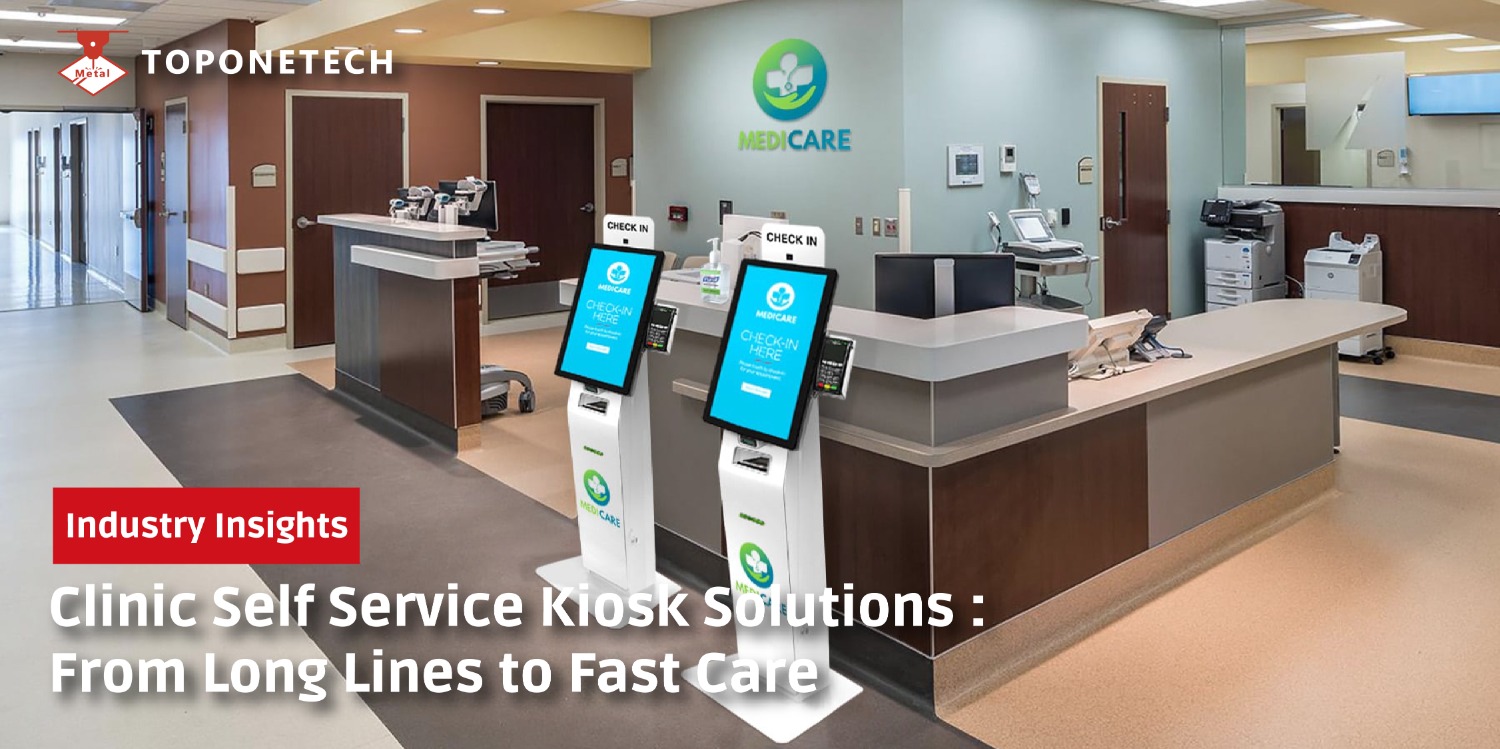
In hospitals and public service centers, kiosks help manage administrative tasks like check-in, appointment scheduling, queue management, and document submission. By automating repetitive processes, kiosks reduce staff workload and improve operational accuracy in environments where precision is critical.
Top One Tech, Experienced Self-Ordering Kiosk Machine Manufacturer
Selecting the right manufacturer is essential when investing in a self-ordering kiosk machine. Top One Tech is a globally trusted provider known for producing high-quality touchscreen displays, durable kiosk hardware, and customizable OEM/ODM solutions tailored to the unique needs of different industries. With years of experience supporting restaurants, cafés, entertainment venues, and retail brands worldwide, Top One Tech has earned a solid reputation for delivering reliable and high-performance kiosk systems.
Our company offers extensive customization options, including different screen sizes, mounting styles, and metal cabinet designs. Our kiosk displays are engineered using advanced technology such as PCAP touch panels, high brightness backlights, and anti-glare coatings to ensure superior visibility and responsiveness even in challenging environments. Top One Tech also integrates secure payment modules, ensuring smooth and safe transactions for customers.
What makes Top One Tech stand out is our commitment to providing factory-direct solutions with fast lead times, competitive pricing, and professional technical support. Whether a business needs a standalone kiosk, a built-in open-frame display, or a fully custom kiosk solution, Top One Tech can design and manufacture a system that aligns perfectly with brand goals and operational needs. Our reliability and quality make us a trusted partner for businesses looking to adopt self-service technology and scale efficiently.
Conclusion: Self-Ordering Kiosk Machine – Transform Slow Lines into Fast, Smart, and Efficient Service
The self-ordering kiosk machine has become a powerful tool for businesses looking to modernize their customer service and optimize day-to-day operations. With features like high-resolution touch displays, intuitive interfaces, secure payment systems, and real-time data analytics, kiosks offer unmatched benefits that traditional service counters can no longer provide. They accelerate service speed, improve order accuracy, increase sales, and create a more engaging and enjoyable experience for customers.
Across industries—from restaurants and cafés to airports and retail stores—self-ordering kiosks are redefining how businesses interact with customers. As digital adoption continues to grow, kiosks will play an increasingly vital role in helping companies stay competitive and future-ready.
By partnering with a reliable manufacturer like Top One Tech, businesses can deploy durable, high-performance kiosk systems that deliver long-term value. Investing in a self-ordering kiosk today means embracing a future where slow lines are replaced with fast, frictionless, and satisfying customer experiences.
Top One Tech can customize Self-Ordering Kiosk Machines specially designed for your application scenarios.
Contact us for further information :
Whatsapp/Call us at : +86 13631610695
Email : sales@toponetechmetal.com
See Also : Our Wide Range of Sheet Metal Products