Self-Service Kiosk For Shopping Mall : Future of Fast & Easy Retail – In an era where speed and convenience dominate customer expectations, shopping malls are being reshaped by digital technologies. Among these innovations, self-service kiosks have emerged as a powerful solution for enhancing both operational efficiency and customer satisfaction. These interactive machines are designed to empower shoppers by offering a wide range of services—from locating stores and making purchases to reserving movie tickets and ordering food—without needing assistance from mall staff.
As consumer behavior continues to lean toward self-sufficiency and minimal wait times, malls are adopting self-service kiosks not just as a convenience, but as a core component of the retail experience. In this comprehensive article, we’ll explore how self-service kiosks are changing the face of retail in shopping malls, diving into their benefits, key applications, standout features, and why choosing the right provider makes all the difference.
What is a Self-Service Kiosk For Shopping Mall?
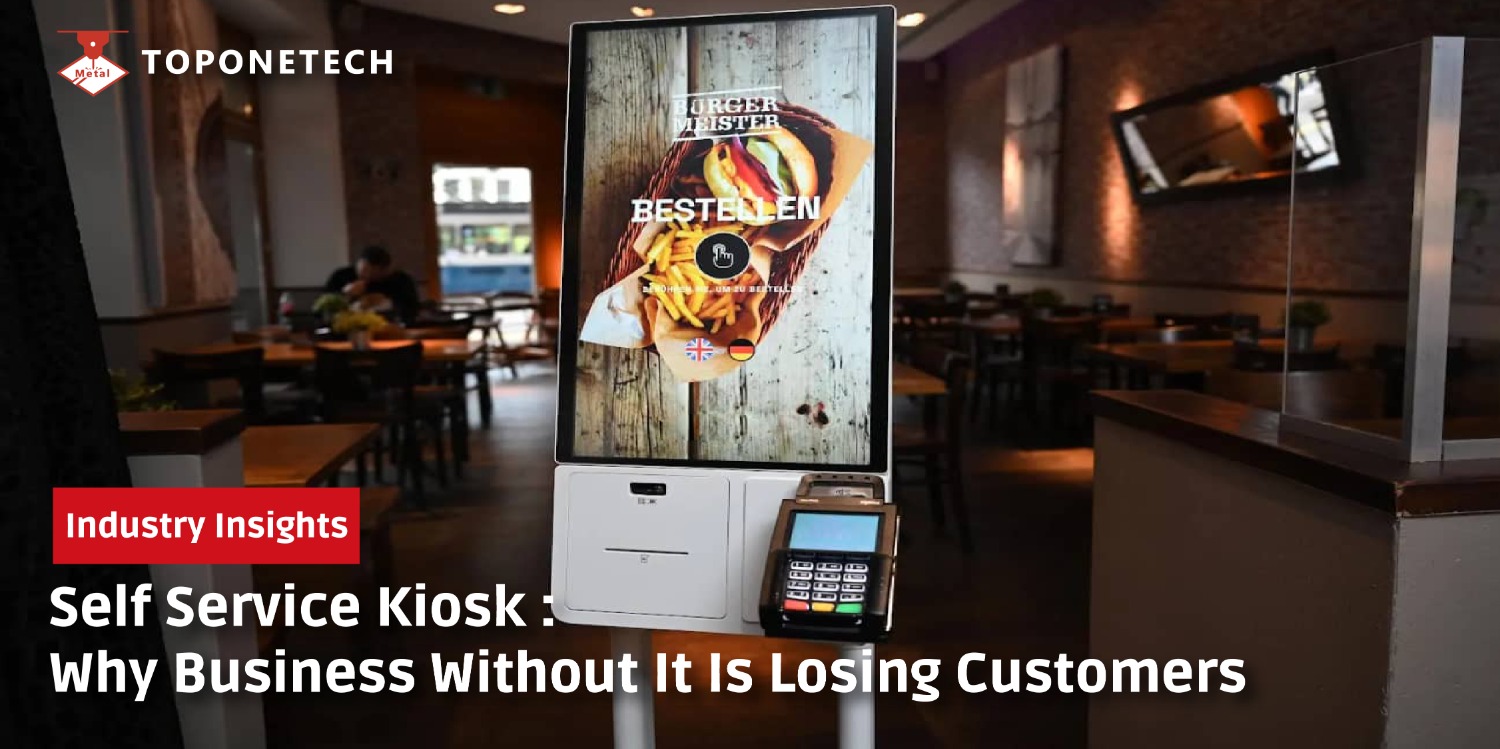
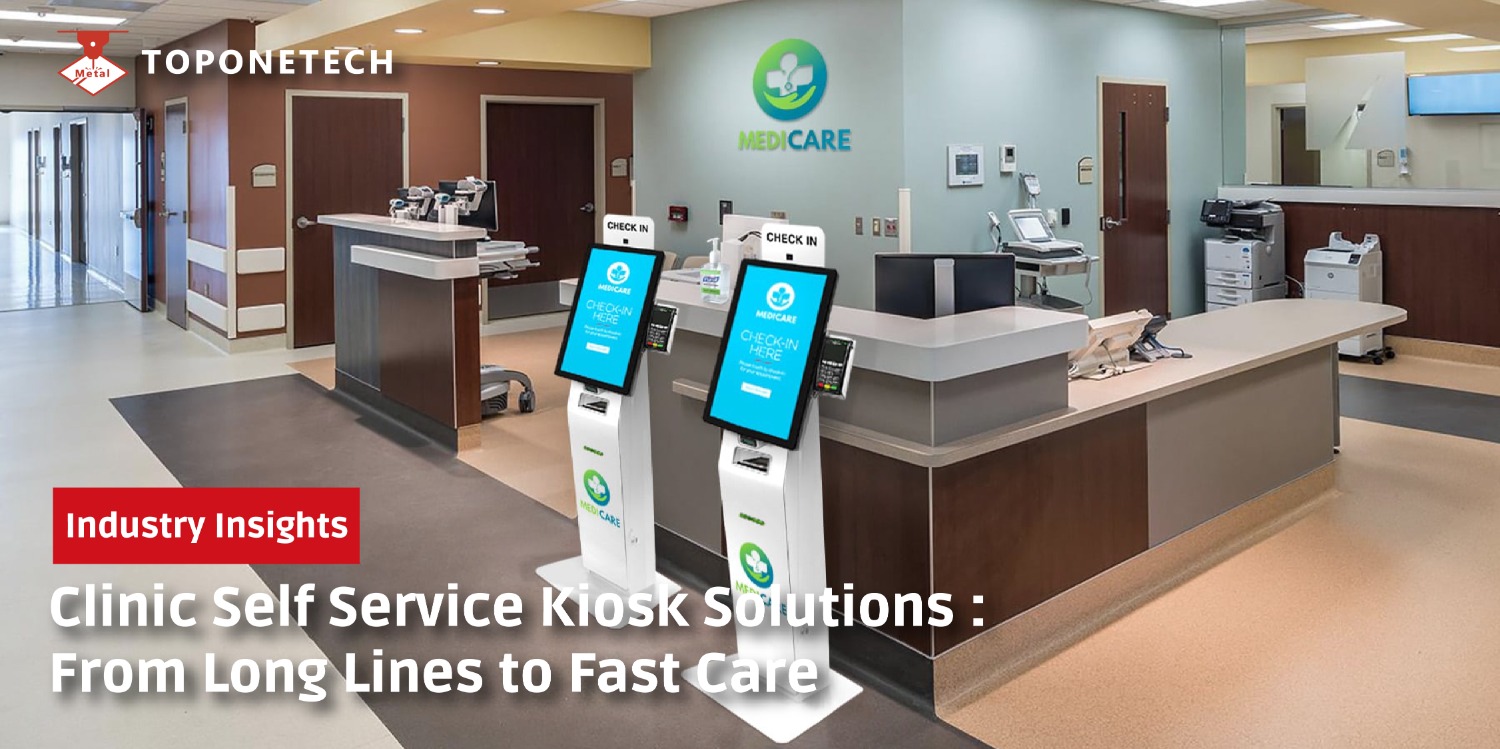
A self-service kiosk in a shopping mall is a digital terminal, typically equipped with a touchscreen, that allows customers to perform tasks independently. These kiosks operate through intuitive software and are often connected to cloud-based systems or integrated with internal mall networks to provide real-time data and services.
The use cases are vast. A customer can find a store using an interactive map, check ongoing sales, purchase tickets for a movie, or even pay for parking—all through one or more kiosks placed throughout the mall. The goal is to streamline services, reduce human dependency, and enhance customer autonomy.
These kiosks come in various formats, including freestanding terminals, wall-mounted units, and even compact desk-mounted screens. Each is tailored to serve a specific purpose, whether informational, transactional, or promotional.
Self-Service Kiosk For Shopping Mall – The Rise of Automation in Malls
Automation has steadily been transforming the retail landscape, and malls are now following suit. In the wake of the global pandemic, the emphasis on contactless interactions and digital convenience has skyrocketed. With labor shortages affecting many sectors and rising operational costs, shopping malls are looking for sustainable ways to improve service without overextending their workforce.
Enter self-service kiosks, which serve as cost-effective, multi-functional solutions. By automating processes like customer service, wayfinding, and purchasing, malls can offer round-the-clock access to essential services while reducing overhead. This automated approach doesn’t just appeal to millennials and Gen Z shoppers who are digitally native—it resonates with all age groups seeking faster, simpler shopping experiences.
What was once a novelty is now becoming a standard feature in modern malls, signaling a major shift in how brick-and-mortar retail is evolving to meet digital-age demands.
Benefits of Self-Service Kiosk For Shopping Mall
1. Enhanced Customer Experience
Today’s shoppers value independence. They want to move through the mall at their own pace without having to search for customer service representatives or stand in long lines. Self-service kiosks meet this expectation head-on by offering instant access to information and services.
For example, a digital directory can help a first-time visitor find the exact location of a specific store, while a food court kiosk can allow a customer to customize their order and pay instantly. This reduces frustration, eliminates waiting, and leaves customers feeling empowered and satisfied. Additionally, many kiosks support multiple languages, making the mall experience more inclusive for international visitors.
2. 24/7 Availability
Unlike traditional service desks that are bound by working hours and staff availability, kiosks are operational throughout the mall’s open hours. This non-stop availability is especially useful during weekends, holidays, and peak shopping seasons when foot traffic surges and staff are stretched thin.
Whether a shopper needs assistance in the early morning or right before closing time, kiosks ensure that service accessibility isn’t compromised. Their consistent performance also means that there are fewer bottlenecks, and more people can be served simultaneously without strain on mall resources.
3. Reduced Operational Costs
Hiring, training, and managing staff can be expensive and time-consuming. With self-service kiosks, malls can reduce their reliance on large customer service teams, thereby lowering labor costs without sacrificing service quality.
Kiosks automate repetitive and simple tasks—such as information lookup, payment collection, or ticket booking—freeing up human staff to focus on higher-value roles like customer relationship management or complex troubleshooting. Over time, the return on investment in kiosks can be substantial, especially when combined with predictive maintenance software to minimize downtime.
4. Increased Sales and Upselling Opportunities
Kiosks don’t just offer services—they’re effective sales tools. Through interactive interfaces, they can display personalized promotions, suggest add-ons, or highlight limited-time offers that encourage spontaneous purchases.
For example, at a food court, a kiosk can recommend a meal combo or dessert based on a customer’s selection. In a retail setting, it might show exclusive discounts or suggest related items based on browsing behavior. These smart upsell strategies can increase average transaction values while enhancing the shopping experience.
Kiosks can also be used to showcase advertisements from in-mall tenants or outside brands, generating additional advertising revenue for mall management.
5. Real-Time Data Collection
Every interaction with a self-service kiosk generates valuable data—from popular search terms and frequently visited stores to peak usage times and purchasing patterns. Malls can harness this real-time customer data to gain deep insights into consumer behavior.
This data-driven approach allows mall operators to make informed decisions on everything from store placement and promotional strategies to layout design and tenant mix. It also enables personalized marketing campaigns and targeted notifications sent directly to kiosk screens or through mobile integrations.
By understanding their visitors better, malls can continuously refine the retail environment to align with evolving customer preferences.
Key Applications of Self-Service Kiosk For Shopping Mall
1. Information and Wayfinding Kiosks
These kiosks serve as the digital concierge of the mall. Positioned at key entry points and intersections, they provide interactive maps, store directories, restroom locations, and promotional details.
Shoppers can search by store name, category, or keyword and instantly receive directions. Some advanced systems even print a path or send it to the user’s phone. These kiosks drastically reduce confusion and improve overall mall navigation, especially for large multi-level complexes.
They also serve as a platform for event announcements, showcasing seasonal decorations, brand launches, or pop-up store locations.
2. Self-Checkout Kiosks in Retail Stores
Major tenants like department stores and supermarkets within malls are increasingly integrating self-checkout kiosks to expedite purchases. Customers can scan items, apply discounts or loyalty rewards, and pay via multiple methods—card, e-wallets, or QR code.
This not only shortens lines but also enhances customer satisfaction, especially during sales periods or peak hours. Retailers also benefit from reduced shrinkage through integrated security features and real-time transaction tracking.
3. Food Court Ordering Kiosks
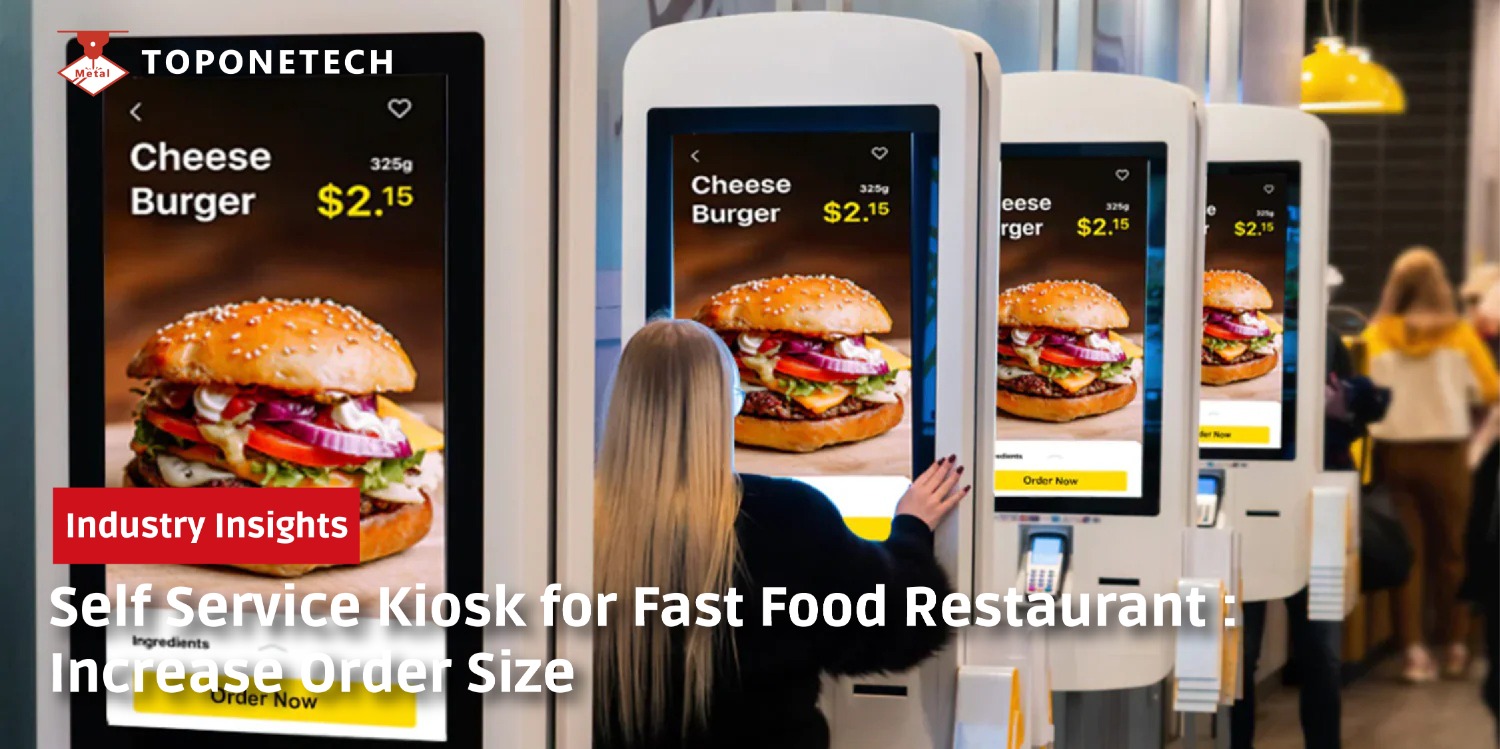
Food courts are high-traffic zones where speed is critical. With self-service kiosks, customers can browse menus, customize orders, and pay—all without queuing at the counter. This streamlines operations and ensures faster order fulfillment.
For mall operators, this also means higher throughput, more consistent orders, and reduced labor dependency. Some kiosks also support multi-language menus, allergen warnings, and nutritional information to aid decision-making.
Additionally, receipts or order numbers are typically displayed or printed for tracking, allowing customers to wait comfortably until their number is called.
4. Parking Payment Kiosks
Parking is often the first and last touchpoint a customer has with a shopping mall. A smooth and fast parking experience can leave a lasting impression. With parking payment kiosks, customers can validate tickets, view charges, and pay conveniently before heading to their vehicles.
These kiosks support multiple payment modes and help reduce exit congestion, especially during weekends and holidays. They can also be integrated with license plate recognition systems for added efficiency and security.
Some even offer discounts tied to purchases made inside the mall, promoting further shopping engagement.
5. Event and Movie Ticketing Kiosks
For malls with entertainment hubs such as cinemas or event venues, ticketing kiosks provide a seamless self-service option. Customers can check showtimes, select seats, pay, and print their tickets without waiting in line.
These kiosks not only enhance convenience but also drive impulse attendance—encouraging shoppers to attend a movie or event they might have otherwise skipped due to long box office queues. Integration with loyalty programs or mobile apps can further boost customer engagement.
Top Features to Look For in Self-Service Kiosk For Shopping Mall
1. User-Friendly Interface
A kiosk’s success depends on how easily it can be used. A simple, intuitive touchscreen interface with large buttons, easy navigation, and clear visuals makes interaction smooth for users of all ages.
Multilingual support is essential in malls with diverse visitors, while audio instructions and visual cues aid those with disabilities. A clutter-free UI ensures that even first-time users can complete tasks without confusion.
2. Secure Payment Integration
Transactional kiosks must support secure and PCI-compliant payment systems. These include options like credit/debit cards, NFC payments, QR code scanners, and digital wallets such as Apple Pay, Google Pay, or local e-wallets.
Security features such as encryption, firewalls, and tokenization protect customer data and build trust in the system. Offering multiple payment options ensures flexibility and encourages more frequent use.
3. Robust Hardware
Shopping malls are high-traffic environments, meaning kiosks must be designed for durability. Industrial-grade components, anti-vandal screens, metal enclosures, and weather-resistant designs for outdoor or semi-outdoor installations are crucial for longevity.
Touchscreens should be responsive, glare-resistant, and capable of withstanding continuous use without degradation. Regular maintenance access points and modular construction also reduce downtime.
4. Remote Management Software
Managing a fleet of kiosks across a mall requires reliable backend software. This includes remote diagnostics, software updates, content management, and error alerting systems.
Operators should be able to monitor usage stats, update promotional banners, or reset systems without needing to be physically present. This minimizes operational disruptions and ensures consistency in content and service delivery.
5. Self-Service Kiosk For Shopping Mall – Custom Branding and UI
A kiosk should seamlessly blend into the mall’s branding and ambiance. Customizable skins, themes, and UI designs allow each kiosk to reflect the mall’s identity or promote individual store partners.
Branded kiosks also act as marketing assets, increasing visibility for campaigns or tenant promotions. This flexibility makes kiosks more than just tools—they become part of the mall’s visual and functional ecosystem.
Choose Top One Tech as Your Trusted Self-Service Kiosk For Shopping Mall Manufacturer
Implementing a kiosk system requires more than just a screen and a stand—it demands innovation, customization, and technical support. That’s why Top One Tech stands out as a premier manufacturer and supplier of self-service kiosks for shopping malls.
Top One Tech offers:
-
End-to-end kiosk solutions from design and assembly to software integration
-
Customizable hardware and enclosures suited for mall environments
-
Multi-function kiosks that combine wayfinding, ticketing, ordering, and advertising
-
Comprehensive technical support and after-sales service
-
Reliable manufacturing standards that meet international quality certifications
With a deep understanding of modern retail needs, Top One Tech delivers kiosks that do more than automate—they elevate the entire shopping experience.
Conclusion: Embrace the Retail Revolution
In conclusion, the shopping mall of the future is interactive, personalized, and tech-enabled. Moreover, Self-service kiosks are no longer optional—they are essential to staying competitive in today’s fast-paced retail environment. Furthermore, by improving operational efficiency, boosting customer satisfaction, and offering new revenue streams, kiosks represent the future of fast and easy retail.
As malls adapt to changing consumer habits, the integration of smart kiosk systems will ensure that physical retail remains relevant, vibrant, and profitable. The sooner you adopt this shift, the faster you’ll reap the rewards of a seamless, digital-enhanced shopping journey.
Ready to bring your mall into the future? Invest in self-service kiosks and unlock the full potential of your retail space.
Top One Tech can customize Self-Service Kiosk For Shopping Malls specially designed for your application scenarios.
Contact us for further information :
Whatsapp/Call us at : +86 13631610695
Email : sales@toponetechmetal.com
See Also : Our Wide Range of Sheet Metal Products