The global healthcare landscape is undergoing a remarkable transformation, driven by rapid technological advancements and an increasing demand for accessible medical care. Among the most promising innovations reshaping this industry is the telehealth kiosk—a powerful tool that bridges the gap between patients and healthcare providers. These kiosks provide a convenient, private, and efficient way to access medical consultations without the need to visit a hospital or clinic physically.
In today’s fast-paced world, patients are seeking more flexible healthcare options that fit their schedules and locations. Telehealth kiosks meet this demand by offering remote healthcare services in real-time, empowering people to consult licensed professionals through secure video calls and digital interfaces. Whether situated in a pharmacy, airport, workplace, or rural community, telehealth kiosks are helping millions gain access to essential healthcare services that were once difficult to reach. They symbolize the fusion of technology and medicine, marking a new era where healthcare is no longer confined to hospital walls.
What Is a Telehealth Kiosk?
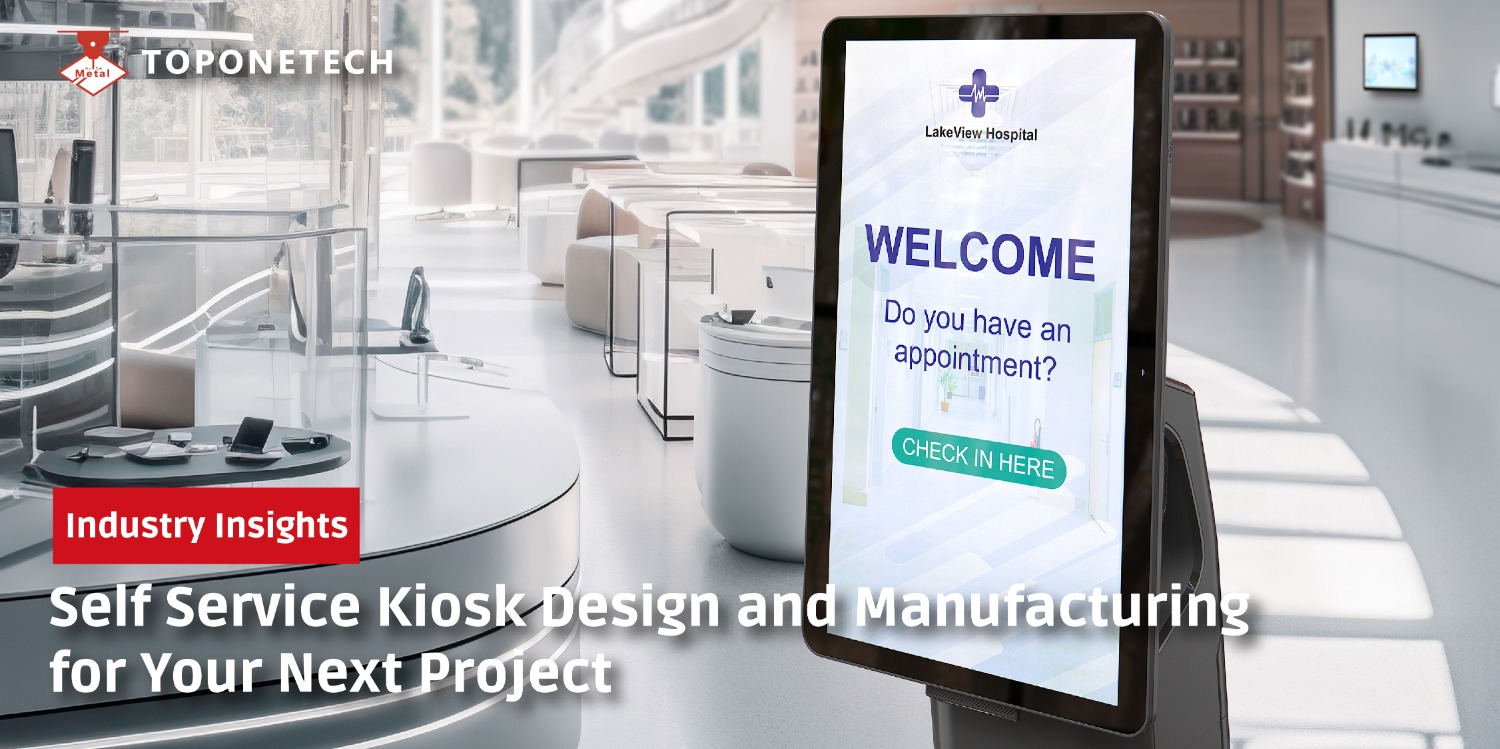
A telehealth kiosk is a self-contained digital station designed to facilitate remote medical consultations and health monitoring. It is equipped with an interactive touchscreen display, high-definition video camera, and integrated diagnostic tools that enable users to communicate directly with healthcare professionals. Patients can check vital signs, answer health questionnaires, and receive medical advice—all within a few minutes.
These kiosks are engineered to mimic a mini examination room. Some advanced models even include FDA-approved medical instruments such as digital stethoscopes, otoscopes, pulse oximeters, thermometers, and blood pressure monitors. The data collected from these tools is transmitted securely to healthcare providers during consultations, enabling accurate diagnoses and personalized treatment recommendations.
Unlike traditional telemedicine, which depends on personal devices like smartphones or laptops, telehealth kiosks are publicly accessible, turnkey systems that can serve people who lack internet access or technical literacy. The kiosks can be installed in community centers, workplaces, or healthcare facilities, providing an inclusive approach to modern medical care. Their versatility and ease of use make them a cornerstone of the growing digital health movement.
The Rise of Telehealth Kiosk: A Global Healthcare Revolution
The concept of telehealth isn’t new, but the recent global pandemic accelerated its adoption like never before. During the COVID-19 crisis, hospitals faced overwhelming patient loads, and people were advised to avoid non-essential visits. This sudden shift forced healthcare providers to embrace digital healthcare technologies to maintain continuity of care.
Telehealth kiosks emerged as a critical solution during this period, providing contactless and efficient healthcare access to patients. Even after the pandemic subsided, the convenience and cost-effectiveness of remote healthcare remained in high demand. According to industry reports, telehealth services have seen a 400% increase in usage globally since 2020, a trend that continues to rise as patients and institutions recognize their benefits.
Moreover, the telehealth kiosk plays a crucial role in bridging healthcare disparities. In many developing regions, hospitals and clinics are concentrated in urban centers, leaving rural populations underserved. Governments and NGOs are deploying telehealth kiosks to extend healthcare coverage, ensuring that everyone, regardless of geography, can receive timely medical attention. This democratization of healthcare marks a monumental shift toward universal health access through technology.
Key Features of a Modern Telehealth Kiosk
Modern telehealth kiosks combine design, technology, and practicality to deliver a seamless healthcare experience. Each feature serves a specific purpose, ensuring that the kiosk can accommodate both patient needs and healthcare provider requirements effectively.
1. High-Resolution Touchscreen Display
The heart of a telehealth kiosk is its interactive touchscreen interface, which allows patients to navigate menus, input data, and communicate with ease. Built with durable, anti-glare and antibacterial coatings, the screens are designed for both clarity and hygiene. The responsive touch interface ensures that even first-time users can easily follow on-screen prompts, making the experience simple and stress-free.
2. Built-in Medical Diagnostic Tools
Each kiosk includes state-of-the-art medical instruments that enable basic health assessments. Tools like thermometers, blood pressure cuffs, andometers, blood pressure cuffs, and pulse oximeters automatically record readings and transmit them securely to the consulting physician. Some kiosks even support remote-controlled stethoscopes or otoscopes, allowing doctors to perform real-time physical assessments. This integration of hardware and telecommunication transforms a standard video call into a comprehensive medical session.
3. Secure Video and Audio Communication
Privacy and clarity are critical in medical consultations. Telehealth kiosks feature HD cameras and noise-canceling microphones to ensure uninterrupted communication. End-to-end encryption safeguards patient data, complying with international standards such as HIPAA (Health Insurance Portability and Accountability Act) and GDPR (General Data Protection Regulation). Patients can discuss sensitive health issues confidently, knowing that their information remains secure.
4. Cloud-Based Data Storage and Integration
Telehealth kiosks support cloud-based platforms that store medical records, patient histories, and diagnostic results securely. These systems can sync with hospital Electronic Health Records (EHR), allowing doctors to access previous data instantly and provide better-informed decisions. This interconnected ecosystem enhances continuity of care while reducing paperwork and administrative errors.
5. User-Friendly Interface
Simplicity is a hallmark of telehealth kiosks. Their intuitive software design includes step-by-step instructions, multilingual options, and accessibility features such as voice guidance and large-font text for elderly users. The goal is to make healthcare accessible to everyone, regardless of age, education, or technical ability.
6. Payment and Prescription Integration
Modern telehealth kiosks streamline the medical process from consultation to treatment. Patients can pay digitally using cards, QR codes, or mobile payment platforms. After consultations, doctors can issue e-prescriptions that are printed directly from the kiosk or sent electronically to nearby pharmacies, ensuring immediate access to prescribed medications.
Benefits of Telehealth Kiosk for Patients and Providers
The growing popularity of telehealth kiosks can be attributed to the wide range of advantages they offer both patients and medical professionals.
1. Improved Accessibility
Telehealth kiosks eliminate geographical barriers, making healthcare accessible to populations in rural, remote, or underserved areas. Instead of traveling long distances to reach a clinic, patients can receive expert medical care within their communities. This accessibility is especially valuable for elderly individuals or those with mobility limitations.
2. 24/7 Availability
Unlike hospitals or clinics that operate within set hours, telehealth kiosks can be available around the clock. This flexibility ensures that patients can seek advice or treatment whenever they need it, including during late-night emergencies. The always-on functionality significantly improves healthcare response times.
3. Reduced Healthcare Costs
Telehealth kiosks contribute to substantial cost savings for both patients and providers. Patients avoid travel expenses and appointment fees, while healthcare facilities reduce staffing and infrastructure costs. Additionally, digital consultations allow doctors to serve more patients in less time, increasing overall system efficiency.
4. Shorter Wait Times
Waiting rooms are among the most frustrating aspects of healthcare visits. With telehealth kiosks, patients can experience minimal wait times. The system is designed for quick registration, automatic triage, and instant doctor connection, ensuring timely service delivery even during peak hours.
5. Enhanced Data Accuracy
Automated readings from integrated diagnostic tools significantly reduce human error. Doctors receive precise data directly from the system, allowing them to make accurate and confident decisions. Moreover, digital recordkeeping ensures that no information is lost or misinterpreted during the consultation process.
6. Better Patient Experience
The user-centered design of telehealth kiosks fosters a positive and empowering patient experience. Patients enjoy privacy, convenience, and a sense of control over their health management. For many, the non-intimidating environment of a kiosk feels more comfortable than a traditional clinical setting, leading to increased patient satisfaction and engagement.
Applications of Telehealth Kiosk Across Industries
Telehealth kiosks are transforming multiple industries by bringing healthcare closer to where people live, work, and travel, instead of remaining confined to hospitals.
1. Hospitals and Clinics
In hospitals, telehealth kiosks serve as triage and follow-up stations, helping doctors manage patient flow efficiently. They allow hospitals to handle non-emergency cases virtually, freeing up resources for critical care patients. Clinics also use them for post-treatment monitoring, reducing in-person visits while maintaining continuous care.
2. Pharmacies
Pharmacies integrate telehealth kiosks to provide on-demand medical consultations for customers. Patients can consult doctors directly, receive e-prescriptions, and purchase medications immediately—all in one visit. This model enhances pharmacy service value while promoting preventive healthcare.
3. Workplaces
Employers are increasingly incorporating telehealth kiosks into corporate wellness programs. These kiosks allow employees to perform health screenings, consult with healthcare professionals, and address minor health issues without leaving the office. This approach promotes a healthier, more productive workforce while reducing absenteeism.
4. Airports and Transportation Hubs
In travel environments, telehealth kiosks provide quick access to medical services for passengers who feel unwell or require medical certificates. For long-haul travelers, this convenience can make the difference between a smooth trip and a disrupted journey. Airlines and airports use these kiosks to ensure passenger safety and compliance with health regulations.
5. Universities and Schools
Educational institutions use telehealth kiosks to offer student healthcare and mental wellness services. These kiosks provide access to professional counseling, medical checkups, and health education, supporting both physical and emotional well-being in academic communities.
6. Remote and Rural Communities
Perhaps the most transformative application of telehealth kiosks lies in rural and remote areas where access to healthcare infrastructure is limited. By connecting patients to licensed doctors via digital platforms, telehealth kiosks eliminate the need for long travel distances and ensure timely medical attention. They play a critical role in closing the healthcare gap between urban and rural populations.
How Telehealth Kiosk Improves Public Health Systems
Telehealth kiosks not only enhance individual healthcare experiences but also strengthen public health systems at a national level. They act as digital nodes for data collection, helping governments and health organizations make data-driven policy decisions.
For instance, health data gathered from kiosks can identify trends in chronic diseases such as diabetes, hypertension, and respiratory conditions. This real-time insight allows authorities to plan targeted health interventions more efficiently. During pandemics or outbreaks, telehealth kiosks help monitor symptoms, reduce hospital congestion, and deliver timely medical guidance to affected populations.
Additionally, the deployment of telehealth kiosks supports health equity initiatives by extending healthcare access to marginalized groups. Governments and NGOs worldwide are leveraging these kiosks as part of broader strategies to achieve universal healthcare coverage. Their scalability, affordability, and reliability make them indispensable assets in building resilient and inclusive health systems.
Top One Tech: Your Reliable Telehealth Kiosk Manufacturer
As telehealth technology gains momentum, choosing the right manufacturing partner is crucial to ensuring reliability, accuracy, and longevity. Top One Tech stands at the forefront of this industry, specializing in touchscreen displays, interactive kiosk systems, and custom healthcare technology solutions.
Top One Tech designs and produces high-quality telehealth kiosks that meet global healthcare standards. We build each unit with robust materials, advanced display technology, and modular components for easy maintenance. We customize our kiosks for various environments—whether hospitals, pharmacies, or corporate offices—to ensure they integrate seamlessly into existing healthcare ecosystems.
Moreover, our company’s expertise in human-machine interface design ensures that every telehealth kiosk provides a user-friendly experience. Additionally, from responsive touch displays to durable enclosures and hygienic coatings, Top One Tech prioritizes safety, performance, and accessibility. With a commitment to innovation and customer satisfaction, Top One Tech continues to empower healthcare providers worldwide, making modern healthcare more connected, efficient, and accessible.
Conclusion: Telehealth Kiosk – The Future of Healthcare Is Here
In conclusion, telehealth kiosks represent a turning point in global healthcare delivery. Furthermore, they combine technology, convenience, and compassion to create a system where patients receive care faster, more affordably, and with greater privacy. Moreover, as digital transformation continues to redefine how medical services are delivered, telehealth kiosks will remain central to achieving equitable, high-quality healthcare for all.
Additionally, from urban hospitals to remote villages, these intelligent kiosks are revolutionizing how people experience medicine. Finally, the future of healthcare is not coming—it has already arrived, standing proudly in the form of a telehealth kiosk, ready to serve the world one patient at a time.
Top One Tech can customize Telehealth Kiosks specially designed for your application scenarios.
Contact us for further information :
Whatsapp/Call us at : +86 13631610695
Email : sales@toponetechmetal.com
See Also : Our Wide Range of Sheet Metal Products