Automatic Payment Machine Is Becoming a Must-Have for Retail – The retail industry is undergoing a significant transformation, driven by evolving consumer expectations and rapid advancements in payment technologies. Traditional checkout counters, once the standard for in-store transactions, are increasingly being replaced by automatic payment machines. These systems—also called self-service checkout machines or smart payment kiosks—are designed to provide customers with a seamless purchasing experience while helping retailers manage operational costs and reduce inefficiencies.
Shoppers today demand faster transactions, flexible payment methods, and minimal human interaction at checkout. As a result, businesses of all sizes, from large retail chains to small independent stores, are adopting retail payment automation to remain competitive. This shift not only streamlines the checkout process but also positions retailers to meet the rising preference for contactless payments, a trend accelerated by global health concerns and the move toward cashless economies.
What Is an Automatic Payment Machine?
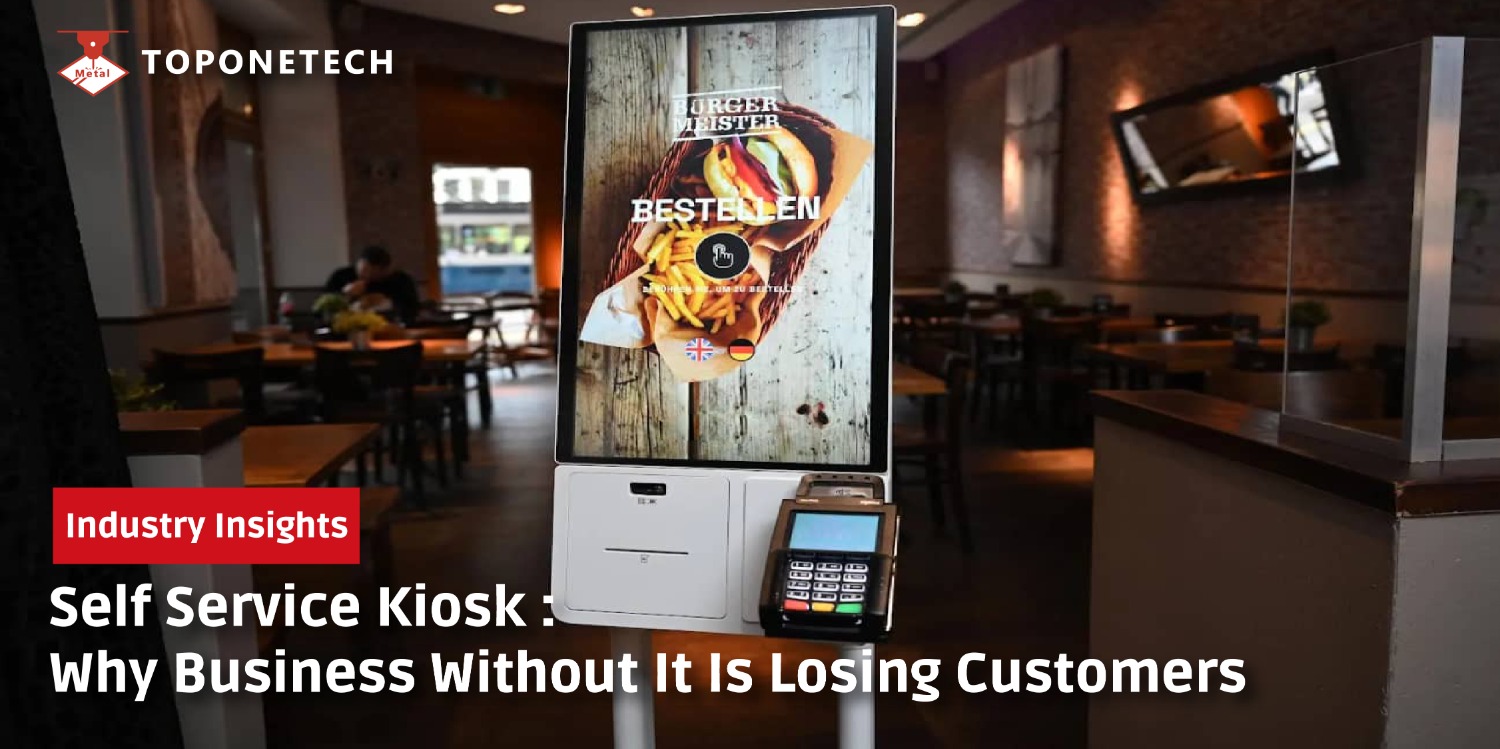
An automatic payment machine is an advanced self-service terminal that enables customers to finalize transactions independently. These machines typically combine touchscreen interfaces, barcode or QR code scanners, card readers, NFC (Near-Field Communication) modules, and cash acceptors. By integrating these components, they provide customers with multiple payment options—cash, debit or credit cards, mobile wallets, or even QR-based digital payments.
Unlike a traditional cash register that requires an employee to operate, an automatic payment machine functions autonomously. It not only processes transactions but can also integrate with retail management systems to synchronize real-time sales data, update inventory levels, and generate reports. Many advanced models are equipped with remote monitoring capabilities, enabling businesses to track machine performance and diagnose issues without on-site intervention.
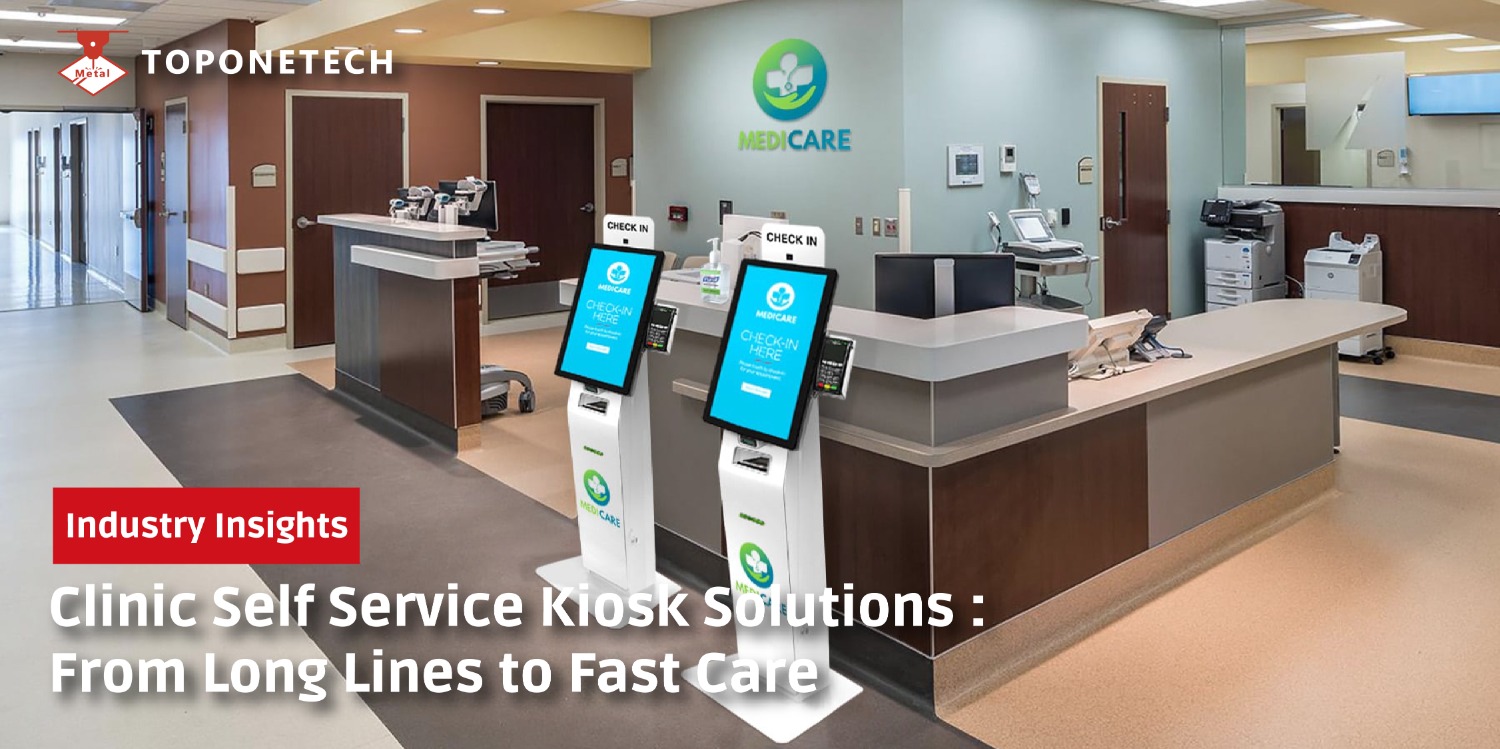
The design of these machines is flexible, with options ranging from freestanding kiosks for large retail spaces to compact counter-top terminals suitable for small shops or pop-up stores. This adaptability makes them ideal for retailers across different sectors, including supermarkets, convenience stores, specialty outlets, pharmacies, and even quick-service restaurants.
Why Automatic Payment Machines Are Gaining Popularity in Retail
1. Speed and Efficiency at Checkout
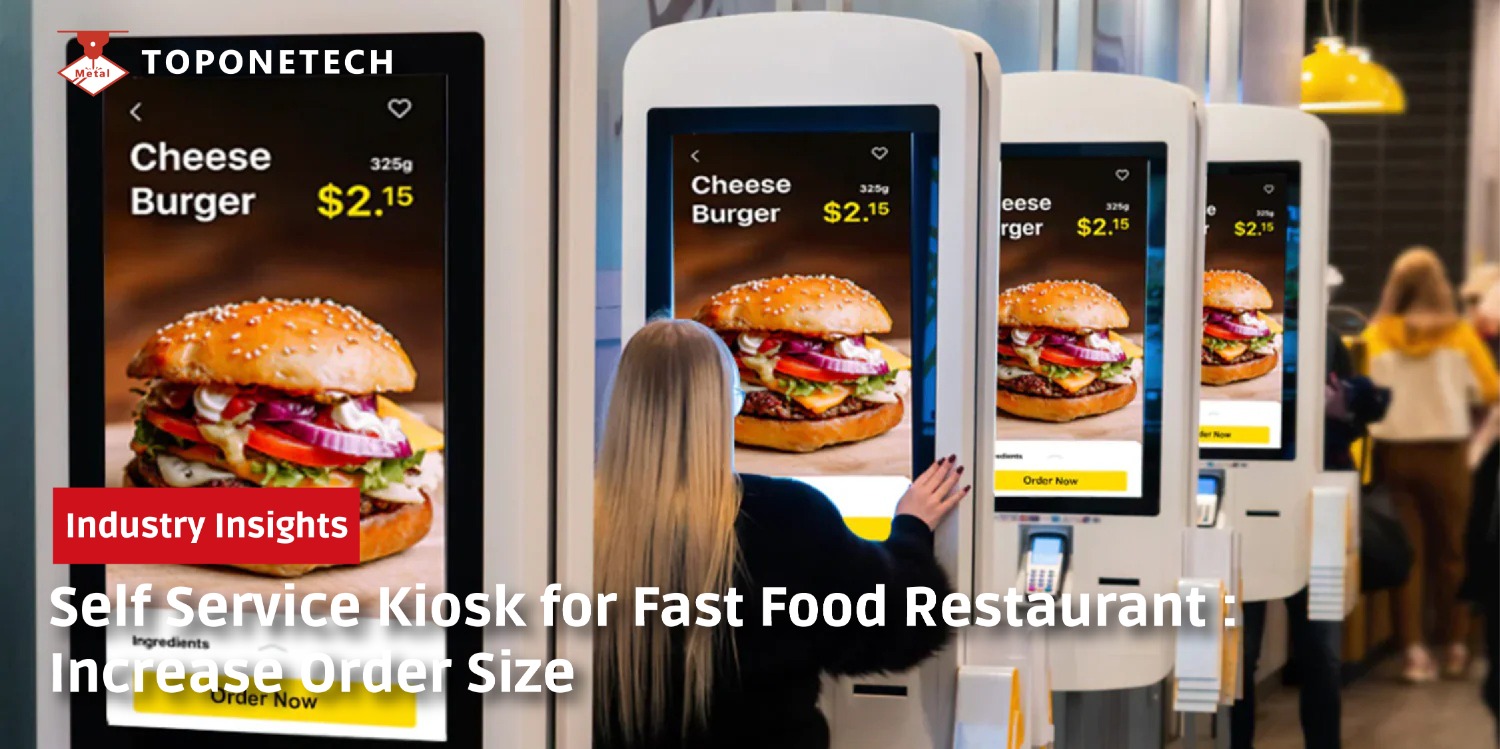
Retail success is heavily dependent on the speed of service. Long queues at payment counters discourage customers and can even lead to lost sales. Automatic payment machines significantly reduce wait times by allowing several shoppers to process their own purchases at once, rather than relying on a limited number of staffed checkout counters.
These machines handle repetitive tasks—scanning items, calculating totals, applying discounts—instantly and accurately. For customers, this means shorter lines, faster checkouts, and less stress, especially during peak hours or holiday seasons. For retailers, it translates into improved customer throughput and better resource allocation, allowing staff to focus on stocking shelves, assisting customers, or maintaining store cleanliness.
2. Enhanced Customer Experience
Modern consumers value control, speed, and convenience. Automatic payment machines allow shoppers to complete purchases at their own pace without feeling rushed by a cashier or slowed down by other customers. Features like multilingual support, clear on-screen instructions, and customizable interface designs make these systems user-friendly and accessible to a diverse audience.
In addition, many payment kiosks provide digital receipts, loyalty program integration, and coupon redemption, improving the overall shopping experience. When customers feel empowered to manage their own checkout process, they are more likely to view the store positively and return for future purchases.
3. Cost Savings for Retailers
Labor expenses are one of the largest costs in retail operations. By introducing automatic payment machines, businesses can reduce their dependence on front-end staff without compromising service quality. While employees are still essential for customer assistance, stock replenishment, and issue resolution, fewer cashiers are required to manage daily operations.
This shift leads to substantial cost savings over time. In addition, machines reduce the financial impact of human errors—such as incorrect pricing or change miscalculations—by automating payment handling. Over the long term, these savings often outweigh the initial investment in equipment.
4. 24/7 Operation
Retail environments with extended hours, such as convenience stores, airport shops, and gas stations, benefit immensely from automatic payment machines. These kiosks enable round-the-clock service. It is allowing customers to shop and pay securely even during late-night or early-morning hours when staffing might be limited.
For retailers, this capability means increased sales opportunities and reduced overtime costs for employees. Even stores that are minimally staffed during certain hours can continue operating efficiently, as customers can check out independently without waiting for assistance.
5. Improved Accuracy and Reduced Shrinkage
Manual handling of cash or scanning items increases the likelihood of mistakes and financial loss. Automatic payment machines mitigate these risks by standardizing and securing the transaction process. Many kiosks include real-time monitoring, error detection, and audit trails, which allow store managers to track each transaction precisely.
Additionally, modern payment machines are equipped with built-in anti-fraud measures. It is including counterfeit bill detection, encryption for digital payments, and surveillance system integration. These features ensure greater security for both the retailer and the customer while minimizing shrinkage due to theft or misreporting.
Key Features of a Modern Automatic Payment Machine
To deliver maximum value, a high-quality payment kiosk combines durable hardware with intelligent, user-friendly software. Essential features include:
-
High-Resolution Touchscreens: Ensure smooth navigation and readability, even in bright lighting conditions.
-
Barcode and QR Code Scanners: Allow quick product scanning and easy voucher redemption.
-
Cash Acceptors and Recyclers: Handle coins and bills efficiently while providing change automatically.
-
Contactless Payment Support: Enable NFC-enabled cards and mobile wallets like Apple Pay, Google Pay, and other local e-payment apps.
-
ERP System Integration: Connect with back-end retail management software for inventory tracking and sales analysis.
-
Customizable User Interfaces: Adapt kiosk appearance and functionality to reflect store branding and layout.
-
Robust Security Measures: Include encrypted payment channels, biometric access for authorized staff, and surveillance compatibility to protect sensitive data.
By ensuring these features are present, retailers can invest in payment machines that deliver reliable performance, scalability, and customer satisfaction.
How Automatic Payment Machines Support Omnichannel Retail
Today’s retail environment blends online and offline shopping to create a seamless customer journey. Automatic payment machines play a crucial role in supporting this omnichannel strategy.
For instance, many retailers now offer click-and-collect services where customers shop online and pay in-store at the kiosk. Integration with loyalty programs allows automatic application of points and rewards, while digital receipts support paperless initiatives and simplify return processes.
By capturing transaction data and synchronizing it with online systems, retailers gain valuable customer insights, such as purchase behavior and preferred payment methods. This data enables targeted promotions, improved inventory planning, and more personalized shopping experiences, strengthening customer loyalty.
Long-Term Business Benefits for Retailers
Scalability for Growing Stores
Retail businesses planning to expand will find automatic payment machines highly scalable. Adding new kiosks to accommodate higher foot traffic is far simpler and more cost-effective than hiring, training, and managing additional staff. This plug-and-play scalability ensures consistent service quality across multiple locations.
Data-Driven Decision Making
Payment kiosks collect a wealth of information, including transaction volume, peak shopping hours, and product sales performance. Retailers can use these insights to optimize store layouts, design targeted marketing campaigns, and improve staffing efficiency. With accurate data, decision-making becomes faster, smarter, and more profitable.
Future-Proofing Retail Operations
Automatic payment machines are designed to evolve with technology. Their modular hardware and upgradable software ensure they remain compatible with new payment methods, security standards, or customer expectations. This adaptability protects retailers from obsolescence and supports long-term growth strategies.
Overcoming Challenges in Implementing Automatic Payment Machines
While the advantages are clear, integrating automatic payment machines requires strategic planning.
-
Initial Investment: Purchasing and installing these kiosks involve significant upfront costs, though the return on investment typically materializes within a few years.
-
Maintenance and Support: Regular technical servicing is necessary to maintain smooth operation and prevent downtime.
-
Customer Adoption: Some demographics, particularly elderly customers, may need guidance when using self-service kiosks. Providing staff support during the transition period can ease this process.
-
Cybersecurity Risks: Since kiosks handle sensitive payment data, retailers must ensure compliance with PCI DSS standards and employ robust encryption to protect customer information.
By anticipating these challenges and preparing adequate solutions, retailers can implement automatic payment systems successfully and maximize their long-term benefits.
Choose Top One Tech, the Right Automatic Payment Machine Manufacturer for Your Retail Store
Selecting the right supplier is critical to unlocking the full potential of automatic payment machines. Top One Tech specializes in customized payment kiosks built to meet diverse retail requirements. Our solutions are engineered with wide-temperature operation ranges, rugged touch displays, and advanced security features. It is making them suitable for indoor or outdoor use in any retail setting.
With extensive experience in manufacturing retail touch displays and payment systems, Top One Tech ensures seamless integration with existing store management platforms. Our machines deliver reliable performance, low maintenance requirements, and scalable deployment options. Retailers can request design adjustments for multi-currency support, space-saving footprints, or enhanced durability to match specific operational needs.
Conclusion: Why Retailers Can’t Ignore This Trend
In conclusion, automatic payment machines are rapidly becoming a standard feature in retail environments worldwide. Moreover, they offer retailers an effective way to enhance customer experience, reduce costs, increase efficiency, and prepare for future payment innovations. Furthermore, businesses that delay adoption risk falling behind competitors who are embracing this technology to gain an edge.
In addition, by partnering with a trusted supplier like Top One Tech, retailers can deploy high-quality payment kiosks that are tailored to their unique needs and engineered to deliver lasting value. Far from being a luxury, automatic payment machines are now a must-have for any retailer seeking growth, efficiency, and customer satisfaction.
Top One Tech can customize Automatic Payment Machines specially designed for your application scenarios.
Contact us for further information :
Whatsapp/Call us at : +86 13631610695
Email : sales@toponetechmetal.com
See Also : Our Wide Range of Sheet Metal Products