Custom Kiosk Design and Manufacturing : From Concept to Reality – Over the past decade, the world has embraced automation, and custom kiosks have taken center stage. These innovative, user-friendly machines are now embedded in almost every industry — from hospitals and hotels to fast-food chains and airports. Customers increasingly prefer fast, seamless, and touch-free service. Custom kiosks fulfill this demand by offering tailored digital experiences that not only increase efficiency but also minimize human error and long wait times.
In this context, businesses are moving away from generic kiosk models and opting for custom-designed kiosks to meet specific operational needs. But what does it really take to bring a custom kiosk from an idea on paper to a fully functional, deployed solution? This article will walk you through the complete lifecycle, showing how concept, design, engineering, and manufacturing all come together to make self-service kiosks a reality.
Understanding the Need: Why Go for a Custom Kiosk Solution?
Choosing a custom kiosk over a ready-made solution is more than a matter of aesthetics; it’s a strategic decision that affects the way businesses interact with their customers. Every organization operates under unique conditions and faces different challenges, whether it’s integrating legacy software, fitting equipment into limited space, ensuring accessibility, or maintaining brand consistency across locations.
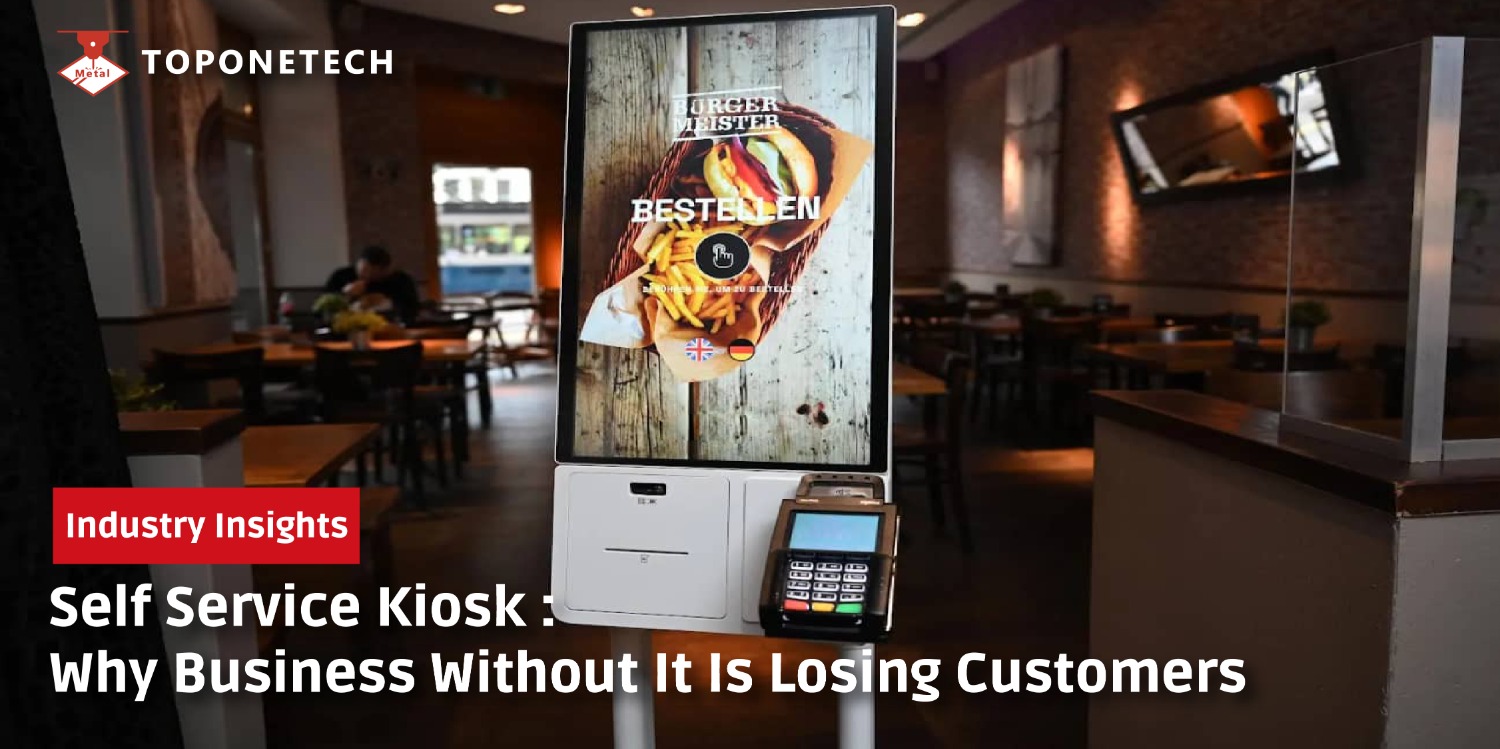
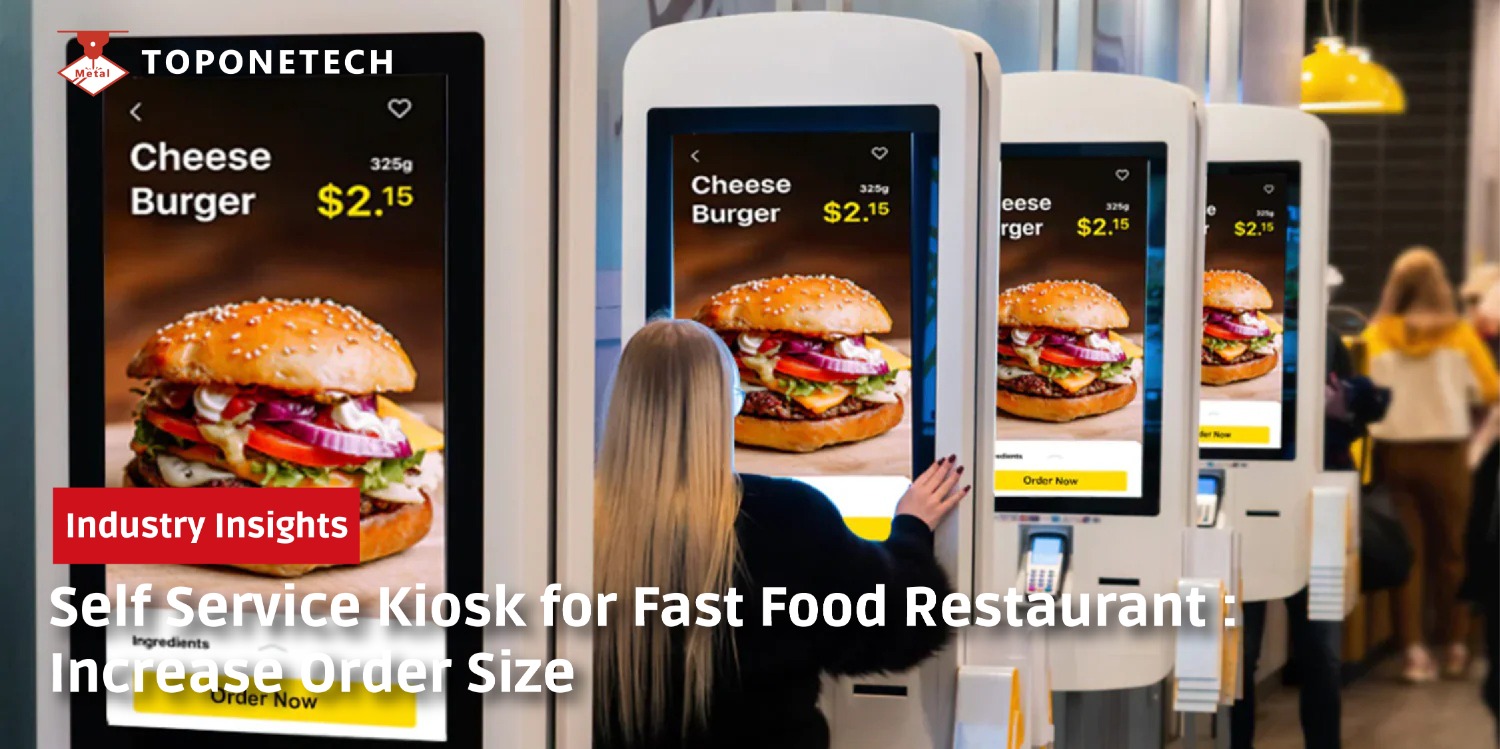
A custom kiosk solution allows companies to tailor hardware and software features to their specific use case. For instance, a banking kiosk may require fingerprint scanners, ID card readers, and encrypted communication protocols, while a restaurant kiosk would prioritize intuitive menu displays, payment systems, and receipt printing. Off-the-shelf units might lack compatibility or overload the system with unnecessary components, leading to poor ROI.
Furthermore, a custom kiosk enables businesses to reinforce their brand image. Through specific color schemes, logos, and material choices, the kiosk becomes an extension of the brand, delivering a cohesive visual identity that builds trust and recognition.
Phase 1: Concept Development and Requirement Gathering
The journey of a custom kiosk begins with an extensive discovery phase. This is where businesses work hand-in-hand with kiosk manufacturers to define objectives, understand challenges, and gather technical requirements. These include both functional and non-functional parameters:
-
Functional requirements: What should the kiosk do? Will it process payments, print tickets, scan IDs, or register patients?
-
Target audience: Will the users be tech-savvy customers or people with limited technical knowledge? This defines interface complexity.
-
Environmental factors: Will the kiosk be placed indoors in a temperature-controlled environment, or outdoors where it faces sunlight, dust, and rain?
-
Software compatibility: Should the kiosk run on Android, Windows, or a custom Linux distribution? Does it need to connect with existing ERP or POS systems?
-
Peripheral integration: What external components are needed — printers, barcode scanners, webcams, fingerprint sensors, RFID readers?
-
Design goals: What should the kiosk look like? Should it reflect the company’s brand colors and values?
This phase typically includes mood boards, sketches, brainstorming sessions, and market research. A strong foundation in this phase ensures fewer revisions and smoother transitions in the next stages of development.
Phase 2: Custom Kiosk Design and Engineering
Industrial Design
Once the requirements are clear, the design process kicks off. Designers create multiple conceptual versions of the kiosk using 2D sketches and 3D CAD modeling. These visual representations help stakeholders understand how the final product will look and function. Important considerations include:
-
Ergonomics: The kiosk should be comfortable and accessible for all users, including those in wheelchairs. The screen height, button placements, and peripheral slots must be thoughtfully arranged.
-
Material selection: Designers choose between steel, aluminum, tempered glass, and industrial-grade plastic, depending on durability, weather resistance, and cost considerations.
-
Aesthetics and branding: This includes colors, logos, shape, and lighting. For public-facing kiosks, the look plays a significant role in drawing user attention.
Mechanical and Electrical Engineering
Once the exterior design is finalized, engineers work on how to build it. The inner structure must accommodate the necessary components without overheating or interfering with performance. Engineers ensure the mechanical design supports:
-
Secure mounting of the touchscreen, motherboard, and peripherals
-
Proper ventilation to prevent overheating, especially in enclosed spaces
-
Dust and water resistance for outdoor models (often rated IP65 or higher)
-
Impact resistance for rugged environments such as industrial or transit stations
Electrical engineers also design power distribution and internal wiring systems to ensure safety, efficiency, and compliance with international electrical standards.
Phase 3: Prototyping and Testing
With designs complete, the manufacturer creates a prototype — a working version of the custom kiosk. This stage is vital for discovering design flaws and testing user experience in real-world conditions. The prototype is tested across multiple dimensions:
-
Hardware fit and finish: Are components mounted securely? Is the frame stable?
-
Functionality: Does the software respond as intended when peripherals are triggered?
-
User interaction: Is the interface intuitive and responsive? Are menus easy to navigate?
-
Stress tests: Can the kiosk withstand continuous use for extended hours?
-
Environment simulation: Outdoor units are tested against high humidity, temperature changes, and sunlight glare.
Feedback from internal teams, clients, and test users helps the manufacturer make critical adjustments before full-scale production begins. This stage may go through multiple iterations to ensure a flawless final design.
Phase 4: Software Integration and User Interface Design
The hardware is only as effective as the software it runs. During this phase, developers either build or integrate applications to ensure smooth functionality. The software is customized to control all elements — touchscreen response, peripherals, backend communication, and user interaction.
-
System design: The software architecture includes OS selection, user interface, peripheral drivers, and data storage systems.
-
User interface (UI): Designers create interfaces that are visually appealing, clear, and easy to use. Touch buttons, menu navigation, and fonts are tailored for optimal legibility.
-
Backend integration: If the kiosk is linked to a larger system — such as a CRM, ERP, or payment gateway — API development and testing are required.
-
Security protocols: Data encryption, secure payment gateways, and login authentication are implemented to protect user data.
Many kiosk systems also include remote management capabilities that allow for software updates, real-time monitoring, and usage analytics, ensuring that the kiosks remain secure and functional post-deployment.
Phase 5: Manufacturing and Assembly
Once the customer approves the prototype, we begin mass production. This step transforms digital designs and test models into functional, high-quality kiosks at scale. The manufacturing process involves:
-
Sheet metal fabrication: Laser cutting, CNC punching, and bending give the kiosk its structural shape.
-
Powder coating and painting: Applied to the kiosk body for corrosion resistance and branding consistency.
-
Component sourcing: Manufacturers source durable industrial-grade components — including displays, processors, hard drives, touch sensors, and peripheral hardware — ensuring longevity under heavy use.
-
Assembly line integration: Technicians install and wire all components, ensuring proper alignment, connectivity, and secure fastening.
-
Quality assurance: Each unit undergoes detailed inspections, from visual assessment to power-on testing and aging simulation, where kiosks run for 24-72 hours continuously to ensure stability and performance under stress.
Furthermore, experienced manufacturers use ISO-certified production methods to ensure consistent quality, efficiency, and compliance with international standards.
Custom Kiosk Design and Manufacturing – Phase 6: Packaging, Shipping, and Installation
Once we build and test the kiosks, our team carefully packages them to prevent any damage during transit. Furthermore, we give special attention to:
-
Foam padding and protective materials to prevent screen scratches, dents, and shock damage
-
Moisture barriers for overseas shipping
-
Labeling and documentation including manuals, warranty certificates, and compliance reports
The logistics team ships all items using the most reliable and cost-efficient method, whether by land, sea, or air. Additionally, upon arrival, installation experts can assist with on-site setup, testing, and staff training. Moreover, for clients managing installation internally, detailed guides and remote support are provided.
Custom Kiosk Design and Manufacturing – Post-Deployment Support and Maintenance
The success of a kiosk solution doesn’t end at deployment — ongoing support is essential. Moreover, post-installation services ensure that kiosks remain functional, updated, and secure. Furthermore, these services often include:
-
Remote monitoring: Enables operators to detect and resolve issues such as system crashes or low printer paper before they affect users.
-
Software updates: Manufacturers may push firmware or UI updates remotely to enhance features or patch vulnerabilities.
-
Spare parts supply: Fast shipping of replacement components reduces downtime in case of damage.
-
Scheduled maintenance: Regular checks ensure fans, connectors, and peripherals are functioning optimally.
Top manufacturers also offer service-level agreements (SLAs), promising guaranteed response times and uptime commitments to businesses relying on 24/7 operations.
Custom Kiosk Design and Manufacturing – Industries Using Custom Kiosks
Custom kiosks are becoming essential tools across multiple sectors:
-
Retail: Self-checkout, inventory lookup, gift registry
-
Hospitality: Guest check-in, digital concierge, event registration
-
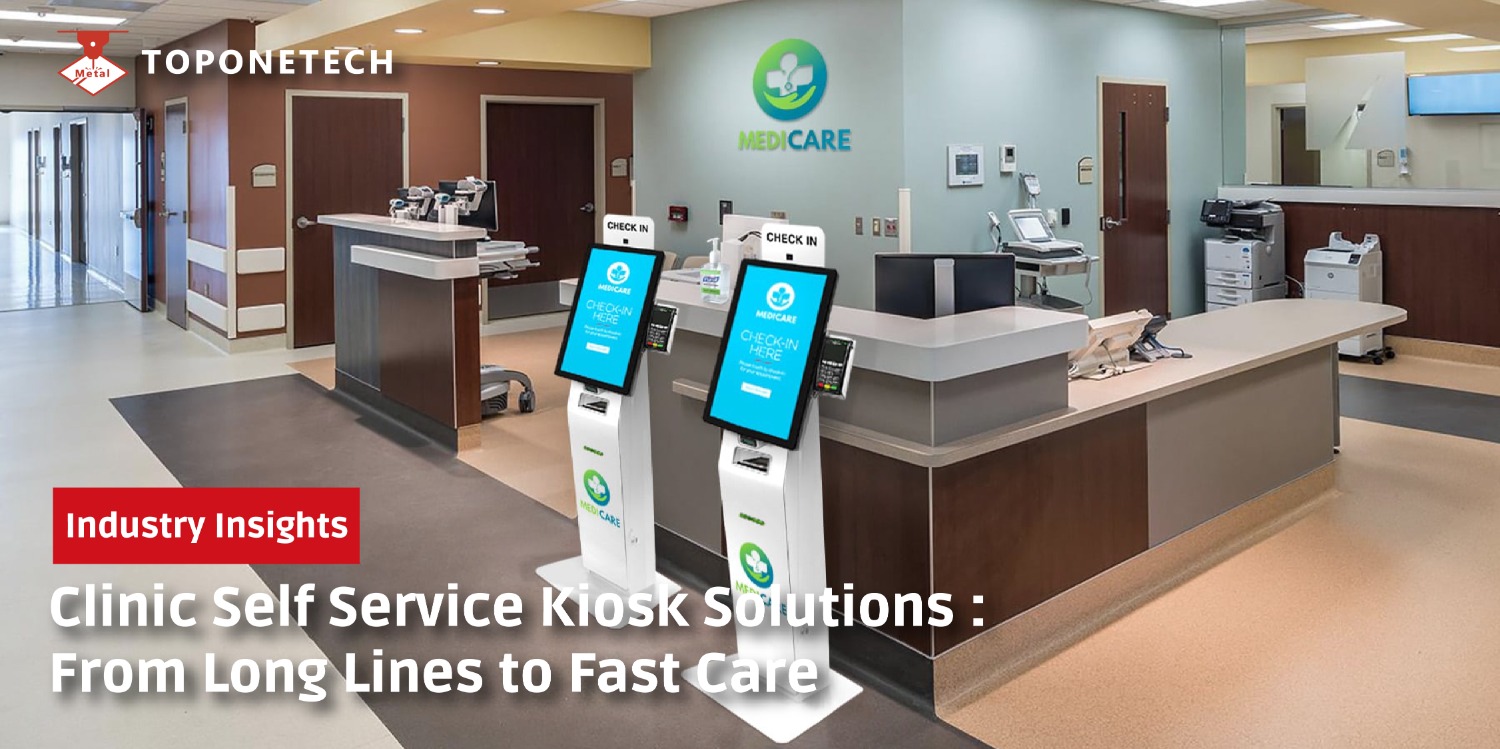
Healthcare: Patient intake, health card scanning, wayfinding
-
Public Sector: Government service portals, bill payments, permit kiosks
-
Banking: Loan applications, mobile SIM registration, account services
-
Transportation: Ticket vending machines, check-in terminals, route finders
-
Entertainment: Movie ticket sales, theme park pass kiosks, casino loyalty systems
Moreover, each application presents unique challenges, which is why a custom kiosk solution is ideal for achieving operational excellence.
Custom Kiosk Design and Manufacturing – Choose Top One Tech as Your Trusted Custom Kiosk Manufacturer
Top One Tech, based in Shenzhen, China, has earned global trust as a custom kiosk manufacturer. Additionally, we specialize in designing and producing open frame touch monitors, interactive kiosk terminals, and custom metal enclosures. With over a decade of experience and clients across Europe, Asia, and North America, we deliver not only kiosks but also innovation, reliability, and value.
Furthermore, our services include:
-
End-to-end OEM/ODM kiosk development
-
Custom hardware-software integration
-
Industry-grade components and certifications (CE, FCC, RoHS)
-
In-house mechanical, electrical, and software engineers
-
Batch production, quality control, and aging tests
-
Full support from prototyping to delivery and maintenance
When you partner with Top One Tech, you get more than a product — you gain a reliable team dedicated to bringing your kiosk vision to life.
Conclusion: Turn Your Kiosk Idea into a Functional Reality
In conclusion, custom kiosks represent the future of customer interaction, offering convenience, automation, and engagement. The process of bringing your idea to life — from early brainstorming to final deployment — requires a skilled partner who understands both the technical and operational aspects of kiosk design and manufacturing.
Furthermore, choosing a custom approach ensures that your kiosk solution will meet exact business needs, improve operational efficiency, and create a lasting impression on users. Moreover, with the right manufacturer, your concept can transform into a real-world innovation that drives growth and satisfaction.
Finally, ready to start your kiosk journey? Reach out to Top One Tech and let’s build your solution together.
Top One Tech can customize Self-Service Kiosk specially designed for your application scenarios.
Contact us for further information :
Whatsapp/Call us at : +86 13631610695
Email : sales@toponetechmetal.com
See Also : Our Wide Range of Sheet Metal Products